The Global Oil Market’s Next Test: Can OPEC+ Prevent a Supply Glut in 2027?
Oil production is recovering, but demand may not keep pace. As supply increases and Middle East tensions threaten shipping routes, OPEC+ faces a critical decision on its 2027 production policy.
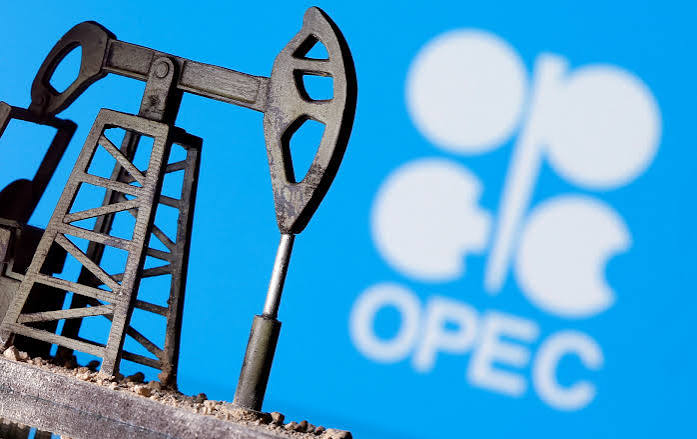

The global oil market is facing a difficult balance. On one side, oil supplies are recovering and production is expected to grow further in 2027. On the other, conflict in the Middle East continues to threaten shipping routes and create uncertainty around exports.
This combination is putting pressure on oil prices and creating a major challenge for the world’s leading oil producers.
On 25 November, Brent crude was trading at around $90.05 a barrel after falling 1.5% during the day. US West Texas Intermediate (WTI) fell 1.7% to $80.70. The decline came as traders focused on the possibility that global oil production could exceed demand next year.
Attention is now turning to the OPEC+ meeting scheduled for 29 November. The group will discuss its oil production policy for 2027, a decision that could influence prices, government revenues and investment across the energy industry.
The challenge is straightforward but difficult: how can oil-producing countries protect their earnings when more supply is entering the market, while avoiding sharp price increases that could hurt consumers and economic growth?
Why Are Oil Prices Under Pressure?
Oil prices depend on the relationship between supply and demand.
When the world needs more oil than producers can supply, prices generally rise. When production grows faster than consumption, prices can fall.
The current market is showing signs of the second situation.
The International Energy Agency (IEA) reported in November that global oil supply is expected to exceed demand by around 1.7 million barrels per day in the fourth quarter of 2026. This is a major change from its earlier expectation of a supply shortage.
The agency also estimates that the global supply surplus could reach approximately 3.8 million barrels per day in 2027. In simple terms, the world could produce significantly more oil than it consumes if current projections prove correct.
This outlook is one reason oil prices have come under pressure.
However, a projected surplus does not guarantee that prices will keep falling. Unexpected production cuts, political tensions or shipping disruptions could quickly change the balance.
For oil traders, the main concern is that the market is becoming increasingly difficult to predict.
More Oil Is Returning to the Global Market
The recovery in oil production from the Middle East is an important part of the changing supply picture.
Exports from Gulf producers were disrupted after the conflict involving Iran began in February 2026. Restrictions and security concerns around the Strait of Hormuz affected the movement of oil tankers and created uncertainty for international buyers.
Since then, producers have found ways to restore some exports. The IEA reported that Gulf oil shipments had recovered faster than expected, helping the global market move back towards a surplus.
OPEC+ production also increased sharply in October. According to figures reported by Reuters, the group’s crude oil output reached 41.23 million barrels per day, around 2.04 million barrels per day higher than in September. This was approximately 97% of its February level before the conflict.
The recovery is important because even a small change in daily production can have a significant effect on the global oil market.
When several major producers increase output at the same time, the additional supply can put pressure on prices, particularly if demand is not growing at the same pace.
The OPEC+ Meeting Could Shape the Market in 2027
The upcoming OPEC+ meeting is important because its members will discuss production policy for the next year.
OPEC+ includes members of the Organization of the Petroleum Exporting Countries and other major producers, including Russia. Together, they have considerable influence over the amount of oil entering the international market.
The group has used production limits in the past to support prices when supply was too high. It has also adjusted output when the market faced shortages or major disruptions.
This time, the decision may be more complicated.
If OPEC+ keeps production restricted, it could help prevent a large supply surplus and provide support to oil prices. But producers would also give up the opportunity to sell more oil at a time when demand remains important for their economies.
If members increase production, they could gain market share but risk adding further pressure to prices.
The meeting will therefore involve more than a simple decision about how much oil to produce. It will test how well the group can manage different national interests during a period of changing market conditions.
Why Iraq and the UAE Matter
Differences between individual producers could make the next OPEC+ decision harder.
Iraq is seeking a higher estimate of its oil production capacity. This matters because production capacity assessments can help determine how much a country is allowed to produce under future arrangements.
A higher recognised capacity could strengthen Iraq’s position when production levels are discussed.
The United Arab Emirates also has an important role in the debate. Reuters reported that the UAE is no longer restricted by OPEC+ production policies in the same way as before, adding another factor to the group’s decisions for 2027. <Cite refs={[“turn107621view0”]}/>
These issues show why it may be difficult for OPEC+ members to agree on a common production strategy.
Each country has its own economic priorities. Some need higher oil revenue to support government spending, while others may want more freedom to expand production and strengthen their position in international markets.
A disagreement over production limits could weaken the group’s ability to influence prices.
Middle East Tensions Still Threaten Oil Supply
Although the market is worried about excess supply, the risk of disruption has not disappeared.
The Strait of Hormuz remains one of the most important routes for global energy shipments. A large share of internationally traded oil moves through this narrow passage between Iran and Oman.
Any serious disruption could delay deliveries and push oil prices higher.
On 25 November, Reuters reported renewed concerns after vessels were targeted near the Strait of Hormuz. The report also noted exchanges of attacks involving Saudi Arabia and the Houthis, adding to uncertainty over the security of regional shipping. <Cite refs={[“turn107621view0”]}/>
These events create a difficult situation for oil markets.
Traders are considering the possibility of more oil becoming available in 2027, but they must also account for the risk that conflict could interrupt supply again.
This is why oil prices can move sharply even when production forecasts suggest that the market has enough supply.
The difference between expected supply and actual deliveries can be significant during a geopolitical crisis.
The United States and Other Producers Add to Supply
The growth in oil production is not limited to OPEC+.
The IEA expects production from countries such as the United States, Canada, Brazil, Argentina and Guyana to contribute to the increase in global supply.
It estimated that production from these countries would rise by around 1.6 million barrels per day in 2026. The agency also projected that total global oil supply could increase by 6.6 million barrels per day in 2027, reaching 108.1 million barrels per day. <Cite refs={[“turn361845view0”]}/>
This creates an important challenge for OPEC+.
The group can adjust its own production, but it cannot directly control how much oil is produced by countries outside the alliance.
If non-OPEC producers continue expanding output, OPEC+ may have to make larger adjustments to maintain its influence over the market.
The growth of production in the Americas is therefore changing the balance of power in global energy markets.
Oil Demand Is Also Facing Pressure
Supply is only one part of the story. Demand is equally important.
High energy prices can increase the cost of transport, manufacturing, electricity and household consumption. When businesses and consumers face higher costs, they may reduce their use of fuel or delay spending.
The IEA expects global oil demand to fall by around 2.7 million barrels per day in 2026 to 102.3 million barrels per day, before recovering by approximately 2 million barrels per day in 2027. These are forecasts, not confirmed outcomes. <Cite refs={[“turn361845view0”]}/>
The expected recovery in 2027 could provide some support to the market. But if demand grows more slowly than production, the supply surplus may remain.
This is especially important for countries whose budgets depend heavily on oil exports.
They need prices and production levels that generate enough revenue to support public spending, infrastructure projects and economic development.
A prolonged period of lower oil prices could make those plans more difficult to finance.
What Lower Oil Prices Could Mean for Importing Countries
Lower oil prices can provide relief to countries that depend heavily on imported energy.
For major importers, cheaper crude can reduce the cost of fuel purchases and ease pressure on foreign exchange reserves. It can also help lower transport and manufacturing costs.
India, Japan, South Korea and several European economies are particularly sensitive to changes in international energy prices because they import a significant share of their oil requirements.
For India, lower crude prices could help reduce the country’s import bill and ease pressure on inflation. Cheaper energy can also benefit airlines, logistics companies, manufacturers and households.
However, the benefit is not automatic. Currency movements, taxes, refining costs and domestic fuel pricing decisions influence how much of a fall in crude prices reaches consumers.
There is also a wider risk. If geopolitical tensions suddenly push oil prices higher, importing countries may face renewed pressure on their trade balances and inflation.
For governments, the challenge is to use periods of lower energy costs to strengthen economic resilience rather than assume that cheaper oil will continue indefinitely.
Oil-Producing Economies Face a Different Problem
The impact of falling oil prices is very different for countries that depend on petroleum exports.
Oil revenue supports government budgets in several major producing economies. It helps finance public services, infrastructure, investment programmes and social spending.
When prices fall, governments may receive less money even if they continue producing large volumes.
Countries can respond by reducing spending, borrowing more or using financial reserves. But these options have limits, particularly when public budgets already face pressure.
This makes production decisions important. A country may want to sell more oil to maintain revenue, but if every producer follows the same approach, the additional supply could push prices down further.
The result can be a difficult cycle: countries increase production to protect income, but the combined increase in supply weakens the price they receive.
OPEC+ will need to consider this tension when deciding its next production policy.
Energy Investment Could Become More Selective
A period of uncertain oil prices can also affect investment across the energy sector.
Oil companies make long-term decisions about exploration, drilling, pipelines and production facilities. These projects often require large amounts of money and may take years to generate returns.
When prices are expected to remain weak, companies may delay expensive projects or focus on fields that are cheaper to operate.
On the other hand, if geopolitical risks remain high, governments and energy companies may continue investing in projects that improve supply security.
This creates two competing pressures.
Lower prices can discourage investment in new production, while concerns about future shortages can encourage countries to secure additional supplies.
The energy industry must therefore plan for a market in which both excess supply and sudden disruptions remain possible.
What Should Markets Watch Next?
The 29 November OPEC+ meeting will be the immediate event to watch. Its decisions could provide a clearer picture of how producers intend to manage supply in 2027.
Markets will also follow developments around the Strait of Hormuz, the recovery of Gulf exports and production growth outside OPEC+.
Three questions will be especially important:
- Will OPEC+ maintain production limits or allow more oil into the market?
- Can the group reach agreement despite different national production priorities?
- Will demand recover quickly enough to absorb the additional supply expected in 2027?
The answers will help determine whether the current supply surplus becomes a temporary adjustment or a longer period of pressure on prices.
The Next Phase of the Oil Market Will Depend on Balance
The global oil market is entering a period in which supply decisions may matter as much as geopolitical developments.
More production is returning to the market, and new supply from outside OPEC+ is adding to competition. At the same time, conflict in the Middle East continues to threaten important shipping routes, making it difficult for traders to predict how much oil will reach consumers.
For OPEC+, the challenge is to manage production without losing market influence or creating deeper disagreements among members. For importing countries, lower prices could offer economic relief, but that benefit depends on the market remaining stable. For exporters, the risk is that rising production may not translate into higher revenue if prices continue to fall.
The November meeting will not settle every question facing the energy industry. But it could show whether major producers are prepared to adjust their strategies to a market with more supply and uncertain demand. The future direction of oil prices will depend on whether production, consumption and geopolitical risks can move towards a more stable balance.
Helena Strauss
Helena Strauss writes on energy markets, commodities, climate finance and the industrial policy choices behind energy security.