Capital
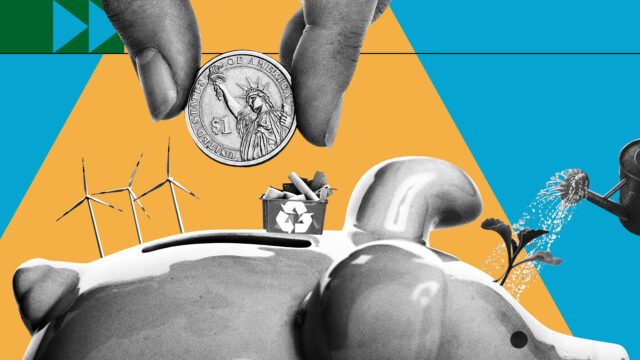
How Climate Finance Is Changing Development Economics
Climate finance has moved from the edge of development policy to one of its central organising questions.

Energy and commodities coverage across oil, gas, renewables, critical minerals, energy security, shipping routes and climate finance.
Climate finance has moved from the edge of development policy to one of its central organising questions.
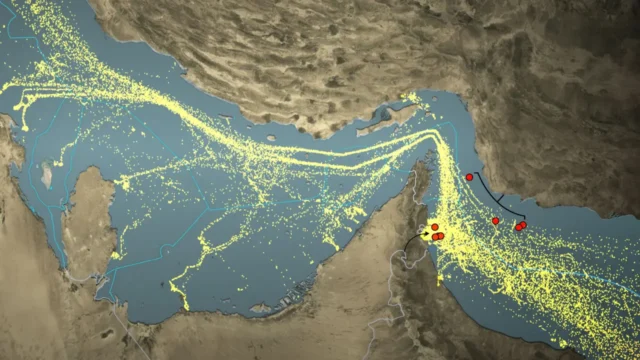
The Strait of Hormuz is one of the most important chokepoints in the global energy system.
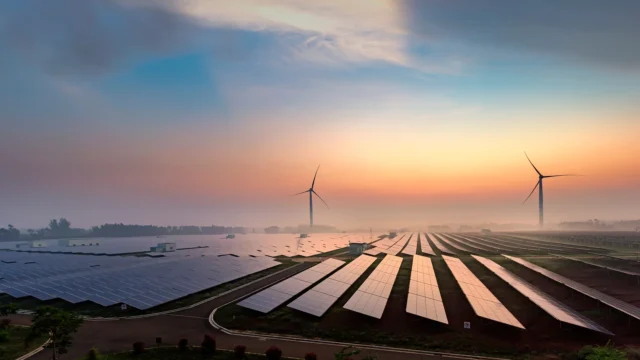
Energy security is no longer only about keeping lights on; it is about sustaining industrial capacity and strategic autonomy.
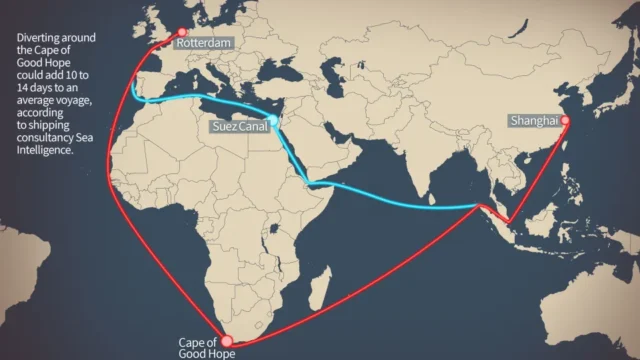
Shipping routes are often invisible in normal times, but they become economically powerful when disruption raises costs and delays.
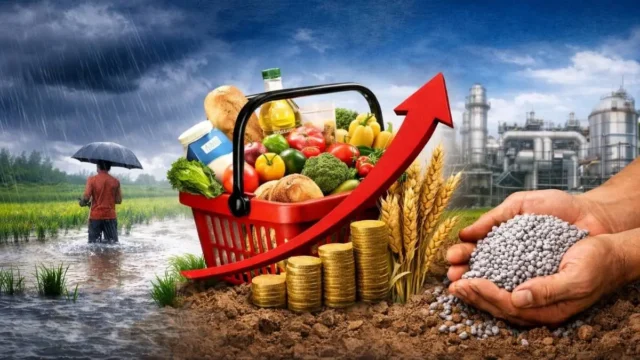
Food inflation can turn quickly from an economic indicator into a political legitimacy issue.

Critical minerals now sit at the intersection of energy transition, industrial policy and national security.
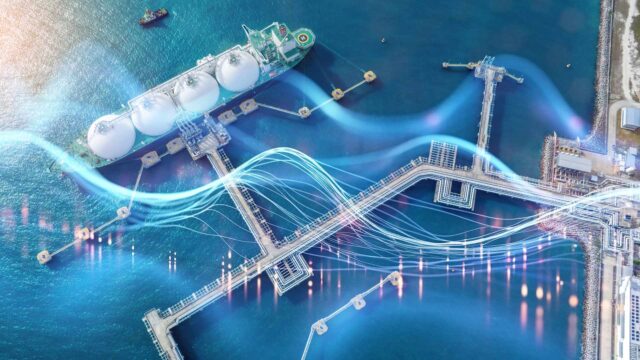
Natural gas has moved from a relatively regional fuel story to a central geopolitical and industrial question.
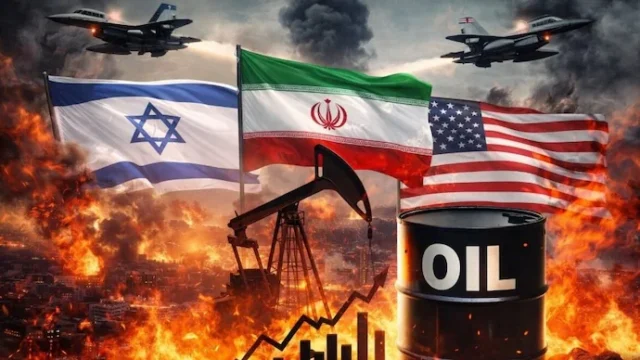
Oil remains one of the most important economic signals in the world, even as energy transition accelerates.