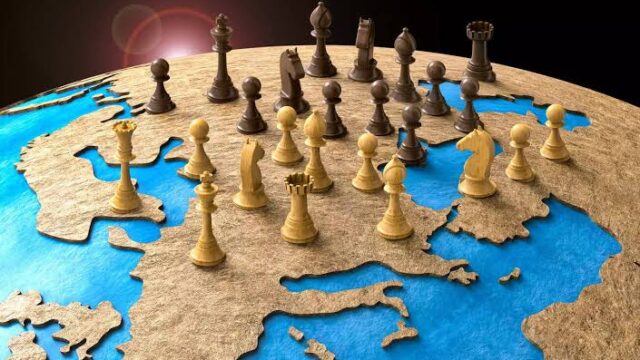
Risk Management
How Companies Should Read Geopolitical Economic Risk
Companies should read geopolitical economic risk through exposure channels, not headlines alone.

Economic statecraft, sanctions, tariffs, industrial policy, export controls, strategic sectors, supply-chain security and geopolitical risk.
Companies should read geopolitical economic risk through exposure channels, not headlines alone.

Economic security is changing corporate strategy by forcing companies to manage supply, sanctions, data, technology and political exposure.
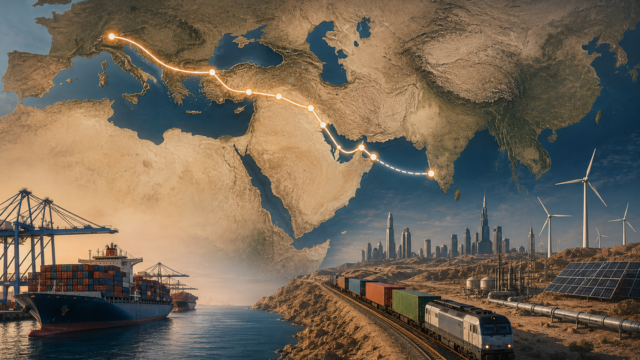
Trade corridors become diplomatic instruments when infrastructure, logistics and finance connect countries into strategic economic routes.
Supply-chain security has become economic policy because disruptions now affect inflation, growth, corporate resilience and national power.

Governments increasingly use public capital, guarantees and sovereign investment to shape sectors tied to security and competitiveness.

Industrial policy is back because advanced economies want strategic capacity in technology, energy, defence and manufacturing.
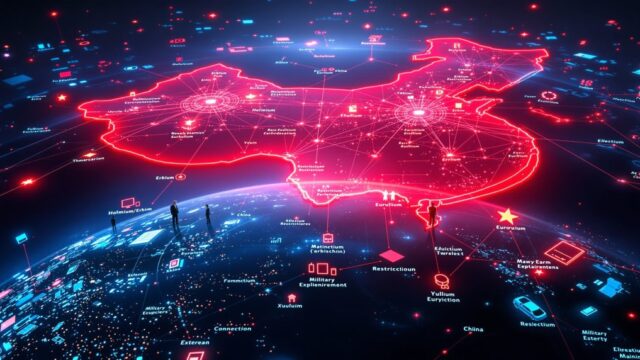
Export controls are changing technology supply chains by restricting access to advanced inputs, equipment and know-how.
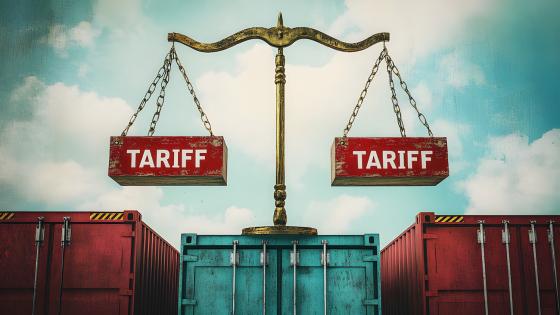
Tariffs have returned because governments are using trade policy to address security, industrial strategy and domestic political pressure.

Sanctions have evolved from narrow diplomatic pressure into a major instrument of financial, trade and technological power.

Economic statecraft is the use of trade, finance, investment, technology and sanctions to pursue national strategic objectives.