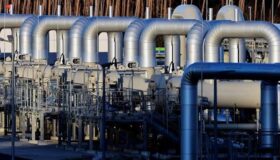
The Global Food Price Crisis: How Conflict and Climate Risks Are Reshaping Food Security
Global food security faces growing challenges as geopolitical conflicts disrupt grain shipments, climate risks threaten agricultural production and rising transportation costs threaten humanitarian assistance. The latest warnings highlight the economic consequences of an increasingly vulnerable international food system.
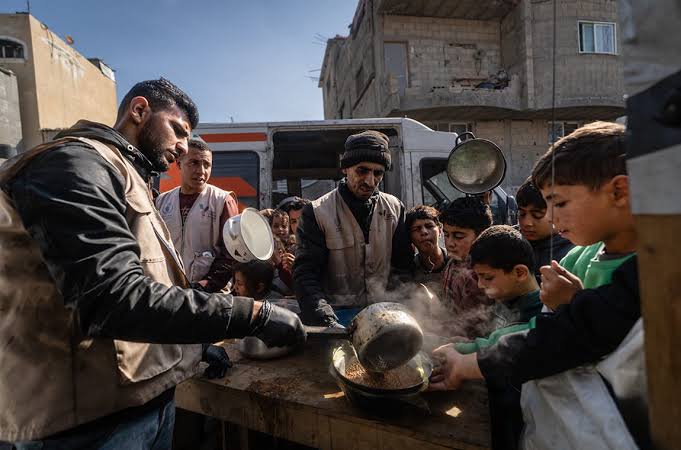

Disruptions to grain shipments, rising agricultural costs and intensifying climate risks are putting renewed pressure on global food security. As shipping routes become increasingly vulnerable, the cost of delivering food assistance is also rising, threatening millions of people already facing hunger.
News Peg: On 23 November 2026, Reuters reported that disruptions to shipping through the Black Sea, Strait of Hormuz and Bab el-Mandeb could add US$727 million to World Food Programme costs by mid-2027, putting food assistance for an additional 7.3 million people at risk. The warning comes as the World Bank projects food commodity prices to rise by a cumulative 18% across 2026–27.
Global Food Security Faces a New Wave of Pressure
The global food system is facing renewed uncertainty as geopolitical conflicts, shipping disruptions and climate risks place pressure on agricultural supply chains.
Food markets are particularly vulnerable because agricultural production depends on several interconnected factors, including energy availability, fertiliser supplies, transportation infrastructure, weather conditions and international trade.
When one part of this system is disrupted, the consequences can spread across international markets.
The latest warning from the World Food Programme (WFP) highlights the scale of the challenge.
According to Reuters reporting on 23 November, disruptions to major shipping routes could increase the agency’s operational costs by US$727 million by mid-2027.
The additional expense could put food assistance for 7.3 million more people at risk.
The warning reflects a broader economic problem: the global food challenge is no longer limited to agricultural production. The ability to transport, finance and distribute food is becoming equally important.
Shipping Disruptions Are Increasing the Cost of Food Distribution
International shipping routes play a critical role in the movement of agricultural commodities.
The Black Sea is particularly important for global grain exports, while the Strait of Hormuz and Bab el-Mandeb are strategically significant for international energy and commercial shipping.
Conflict-related disruptions in these areas can increase insurance premiums, extend shipping journeys and force vessels to use alternative routes.
These changes raise transportation expenses for shipping companies, food traders, importers and humanitarian organisations.
For the WFP, higher operational costs can directly affect how much food assistance it can deliver using its available funding.
Reuters reported that Black Sea wheat and maize vessel traffic was down 63% by mid-October compared with the same period in 2025.
The disruptions have also affected seafarers and commercial shipping operations. Attacks have killed at least 40 crew members, according to the report.
The economic consequences extend well beyond individual shipping companies.
When grain shipments are delayed or diverted, importing countries may face higher procurement costs and greater uncertainty around delivery schedules.
For economies that depend heavily on imported wheat, maize and other agricultural commodities, transportation disruptions can become an important source of food-price volatility.
The Black Sea Remains Critical to Global Grain Markets
The Black Sea has long been one of the world’s most important agricultural export regions.
Russia and Ukraine are major suppliers of wheat and other agricultural commodities to international markets.
Their exports are particularly important for parts of Africa, the Middle East and Asia, where imported grain supports domestic food consumption and food-processing industries.
The war between Russia and Ukraine has repeatedly disrupted agricultural transportation and export infrastructure.
The earlier Black Sea Grain Initiative, brokered with the involvement of the United Nations and Türkiye, enabled nearly 33 million tonnes of Ukrainian grain to reach international markets before Russia withdrew from the agreement in 2023.
The latest shipping disruptions have renewed concerns about the reliability of this trade corridor.
Reuters reported that up to 10 million tonnes of grain could fail to reach markets, an amount estimated to be sufficient to feed approximately 44 million people.
This highlights the importance of secure shipping access for international food security.
A disruption in one major export region can affect commodity availability, purchasing costs and food-import bills in countries thousands of kilometres away.
Climate Risks Are Adding Another Layer of Uncertainty
Geopolitical tensions are not the only challenge facing global food markets.
Changing weather conditions and the developing El Niño pattern are increasing uncertainty around agricultural production.
The World Bank’s October 2026 Food and Nutrition Security Update warned that El Niño conditions were expected to remain very strong through early 2027.
This could increase the risk of disrupted rainfall, extreme heat, drought and flooding across different agricultural regions.
The impact will vary by geography and crop type.
Some countries may experience reduced rainfall and lower crop yields, while others could face excessive rainfall and flooding that damage agricultural infrastructure.
These developments matter because agricultural production is highly sensitive to weather conditions.
Even when global supplies appear adequate, unexpected harvest losses in major producing countries can change international market expectations and increase price volatility.
The combination of geopolitical disruption and climate uncertainty creates additional risks for food-importing economies.
Food Prices Remain Vulnerable Despite Recent Market Easing
The global food-price outlook is more complicated than a simple upward trend.
The Food and Agriculture Organization’s (FAO) Food Price Index averaged 133.9 points in October 2026, declining 1.2% from September.
Prices of cereals, dairy and meat products eased during the month, while sugar prices increased significantly.
However, the index remained 5.9% above its level a year earlier.
This distinction is important.
A monthly decline does not necessarily mean that food markets have returned to stable long-term conditions.
The World Bank’s October 2026 Commodity Markets Outlook projected food commodity prices to rise by approximately 10% in 2026 and another 7% in 2027.
Together, these projections represent a cumulative increase of approximately 18%.
The bank identified several contributing factors, including conflict-related grain disruptions, El Niño risks, high fuel costs and expensive agricultural inputs.
This suggests that international food markets remain exposed to further supply shocks even when individual monthly price indicators temporarily decline.
Rising Fertiliser and Energy Costs Threaten Agricultural Production
Food production depends heavily on energy and agricultural inputs.
Fertilisers, diesel, electricity, transportation and irrigation all contribute to the cost of producing and distributing food.
When energy prices rise, farmers may face higher costs for operating machinery, transporting harvests and maintaining irrigation systems.
Fertiliser production is also energy-intensive, making agricultural input prices particularly sensitive to changes in natural gas and other energy markets.
The World Bank projected fertiliser prices to rise by 14% in 2026 before returning towards 2025 levels in 2027.
Higher input costs can influence farmers’ decisions about how much land to cultivate and which crops to grow.
In some cases, producers may reduce fertiliser application or postpone investments, potentially affecting future yields.
These decisions can have consequences beyond a single agricultural season.
If production costs remain elevated, the global food system could face additional pressure from reduced investment and tighter supplies.
Developing Economies Face the Greatest Exposure
The economic impact of food-price instability is not distributed equally.
Developing economies that depend heavily on imported food, fertilisers and energy are particularly exposed to international price movements.
Countries with limited foreign exchange reserves may find it more difficult to finance essential imports when global commodity prices increase.
Currency depreciation can make the situation worse by increasing the domestic cost of imported agricultural products.
For low-income households, food represents a significant share of total expenditure.
Even moderate increases in the price of staple commodities can reduce purchasing power and force families to spend less on healthcare, education and other essential needs.
Governments may respond through food subsidies, import support or temporary trade measures.
However, these policies can place additional pressure on public finances, particularly in countries already dealing with high debt and limited fiscal capacity.
Food-price instability therefore represents both a humanitarian concern and a broader macroeconomic challenge.
Humanitarian Assistance Faces a Growing Financial Challenge
The latest warning from the World Food Programme highlights another important dimension of the crisis.
Humanitarian organisations must manage the rising cost of transporting and delivering food while responding to growing needs in conflict-affected regions.
Reuters reported that the WFP has already reduced its 2027 assistance target to 91 million people, compared with 110 million in 2026.
The potential additional US$727 million in shipping-related expenses could place further pressure on its ability to reach vulnerable populations.
The report also noted that approximately 266 million people were already facing acute hunger, with severe conditions in parts of Sudan, South Sudan and Somalia.
In these regions, conflict, displacement, weak agricultural production and limited access to markets have combined to create persistent food insecurity.
The situation demonstrates that food availability alone is not enough.
People must also have access to affordable food, reliable transportation and functioning distribution systems.
Governments Face Difficult Choices Between Domestic Protection and Global Trade
As food markets become more uncertain, governments may face pressure to protect domestic consumers.
One possible response is to restrict food exports to preserve local supplies and control domestic prices.
However, export restrictions can create additional problems in international markets.
When major exporting countries limit shipments, the amount of food available to import-dependent economies can decline.
This can increase international prices and encourage other governments to introduce similar restrictions.
The World Bank has warned that renewed export restrictions could amplify food-price increases, particularly if geopolitical and climate risks intensify simultaneously.
International coordination is therefore important.
Maintaining predictable trade policies, protecting essential shipping routes and ensuring access to agricultural inputs can help reduce the risk of unnecessary market disruptions.
What the Food Crisis Means for the Global Economy
The growing uncertainty surrounding food markets has implications for inflation, trade balances, government spending and economic growth.
Higher food and agricultural input costs can increase consumer inflation, particularly in economies where food represents a substantial share of household expenditure.
Import-dependent countries may experience pressure on their trade balances as they spend more on essential commodities.
Governments may also need to increase public expenditure to support vulnerable households and maintain food assistance programmes.
For businesses, uncertainty around agricultural supplies can affect food processing, retail distribution, transportation and manufacturing.
Investors are also likely to monitor developments in grain markets, fertiliser production, agricultural technology and logistics infrastructure.
The food sector is increasingly connected to wider economic questions involving energy security, international trade and geopolitical stability.
Building a More Resilient Global Food System
Reducing exposure to future food shocks will require a combination of domestic investment and international cooperation.
Countries need stronger agricultural infrastructure, more efficient storage facilities, improved irrigation systems and reliable transportation networks.
Investment in climate-resilient seeds, agricultural research and modern farming technology can help producers manage changing weather conditions.
Diversifying import sources can also reduce dependence on individual suppliers and vulnerable trade corridors.
At the international level, maintaining open trade routes and improving transparency around food inventories can help prevent unnecessary price volatility.
Humanitarian organisations also require more predictable funding and reliable access to conflict-affected regions.
These measures cannot eliminate every food crisis, but they can reduce the economic and humanitarian damage caused by future disruptions.
The Future of Global Food Security
The latest developments demonstrate how closely food security is connected to international politics, energy markets and climate conditions.
Shipping disruptions are increasing humanitarian operating costs, while agricultural producers face uncertainty around fertiliser prices and future harvests.
Although international food-price indicators have eased in recent months, the wider outlook remains exposed to significant risks.
For developing economies, the challenge is to protect household purchasing power while maintaining access to affordable imports.
For governments, the priority must be to strengthen domestic food systems without creating additional barriers to international trade.
For humanitarian organisations, secure transportation and sustainable funding will remain essential to reaching vulnerable populations.
The future of global food security will depend not only on how much food the world produces, but also on whether it can move that food safely, affordably and reliably to the people who need it most.
Samir Kapoor
Samir Kapoor covers the global economy, cross-border capital, growth signals and the institutions shaping economic change.