Germany’s Economic Recovery Gains Momentum, but Inflation Risks Rise for 2027
Germany expects stronger growth in late 2026, but the Bundesbank warns that energy costs and expiring fuel relief could push inflation higher in 2027.

Fiscal spending and stronger global trade are supporting growth in Europe’s largest economy, while rising energy costs threaten to weaken the recovery.
Germany’s economy is showing signs of a stronger recovery after three years of stagnation. However, the country’s central bank has warned that inflation could accelerate sharply at the beginning of 2027. The warning highlights a growing challenge for Europe’s largest economy: sustaining economic growth while managing higher energy costs and public spending.
In its November monthly report, the Deutsche Bundesbank said Germany’s economy continued to recover in the third quarter of 2026. It expects economic activity to strengthen further in the final quarter, supported by expansionary fiscal policy, domestic demand and growing global trade.
The outlook is more positive than last year, when Germany recorded annual economic growth of just 0.3%. Most major forecasters now expect growth to exceed 1% in 2026. Yet the recovery remains uneven, with weak household consumption and subdued private investment limiting its strength.
Germany’s Economy Shows Signs of Recovery
Germany recorded real GDP growth of 0.2% quarter-on-quarter in the third quarter of 2026, according to the Federal Statistical Office’s preliminary estimate cited by the Bundesbank.
The expansion indicates that the economy has maintained its recovery despite pressure from high energy costs and weaker industrial activity.
Fiscal spending has become an important source of support. Government investment in infrastructure and defence is helping create demand across several industrial and construction-related sectors.
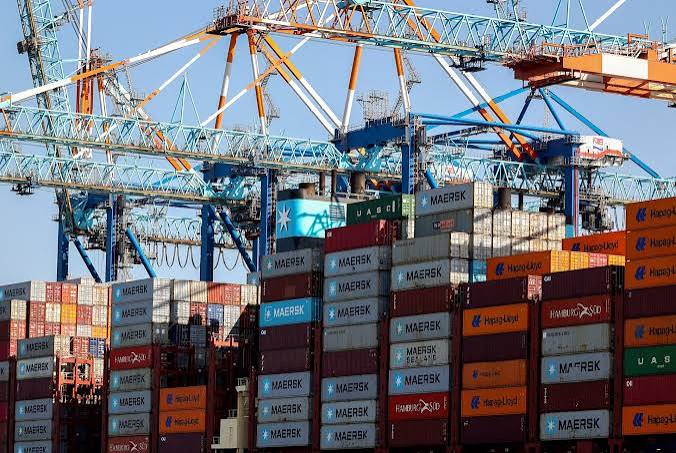
The Bundesbank also highlighted the role of international trade. Growing global demand is supporting German industry, while businesses involved in electrical equipment, computers and optical products are benefiting from investment in artificial intelligence.
However, the recovery has not reached every part of the economy. Industrial production and construction faced setbacks during the third quarter. Commercial investment in machinery and equipment also remained weak.
This suggests that stronger GDP growth does not yet represent a broad-based recovery across German businesses.
Government Spending Becomes a Major Growth Driver
Expansionary fiscal policy is playing a central role in Germany’s economic outlook.
The government has increased spending on infrastructure and defence. These investments are intended to improve transport networks, strengthen industrial capacity and support national security.
Infrastructure spending can also generate demand for construction materials, engineering services, machinery and skilled labour.
The Bundesbank expects public investment to continue supporting economic activity in the coming quarters. Civil engineering, in particular, is likely to benefit from government infrastructure programmes.
However, higher government spending also carries fiscal consequences. The Bundesbank expects Germany’s general government deficit to approach 4% of GDP in 2026 and increase further in 2027.
Rising defence expenditure, social security spending and higher interest costs are contributing to the pressure on public finances.
The challenge will be to ensure that additional borrowing supports productive investment rather than creating long-term fiscal instability.
Energy Costs Could Push Inflation Higher in 2027
Inflation is emerging as one of the biggest risks to Germany’s recovery.
Consumer price inflation stood at 2.9% in October 2026, making Germany one of the euro area’s lower-inflation economies at that time.
However, the Bundesbank expects inflation to increase sharply at the beginning of 2027.
One reason is the scheduled expiration of temporary fuel relief measures. The withdrawal of these measures, along with other government actions, could add approximately 0.5 percentage points to inflation.
Higher natural gas prices may create further pressure. Energy costs influence industrial production, transport, logistics and household expenses.
Businesses may pass some of these additional costs on to customers. This could spread inflationary pressure beyond the energy sector.
The central bank also expects higher input costs to gradually affect prices across other goods and selected services.
For households, this could mean reduced purchasing power. For businesses, it could increase operating expenses and complicate pricing decisions.
Weak Consumption and Investment Limit the Recovery
Despite stronger economic indicators, Germany’s domestic demand remains relatively subdued.
Household consumption has increased only marginally. High energy prices continue to affect purchasing power, while uncertainty over future costs may encourage consumers to remain cautious.
Private investment is another concern. The Bundesbank reported that commercial investment in machinery and equipment was likely to have declined further during the third quarter.
Industrial capacity utilisation also remained below its long-term average. When factories operate below capacity, businesses have fewer incentives to invest in additional production facilities.
Higher interest rates are adding to this pressure. Companies face more expensive financing, while construction businesses must manage rising borrowing and material costs.
The residential construction sector remains particularly sensitive to these conditions.
A stronger recovery will therefore require more than government spending. Germany will also need improved business confidence, stronger private investment and sustained household demand.
Germany’s Industrial Sector Faces a Changing Demand Pattern
Germany’s industrial recovery remains uneven across sectors.
The Bundesbank reported that output declined in parts of industry during the third quarter. Chemical manufacturing faced particular pressure as temporary competitive advantages faded and low water levels disrupted transport along important waterways.
At the same time, electrical equipment and computer-related manufacturing recorded stronger production.
These industries are benefiting from global investment in artificial intelligence. The expansion of data centres, computing infrastructure and digital systems is creating demand for specialised equipment and components.
Defence-related manufacturing has also received support from higher military spending.
This changing pattern of demand highlights an important shift in Germany’s industrial structure. Traditional energy-intensive industries continue to face cost challenges, while technology-related manufacturing is gaining opportunities.
The ability to adapt to these changes will influence Germany’s industrial competitiveness over the coming years.
European Central Bank Faces a Wider Inflation Challenge
Germany’s inflation outlook also matters for the wider euro area.
The country is the largest economy in the European Union. Changes in its energy costs, industrial production and consumer prices can influence regional economic conditions.
The Bundesbank expects Germany’s inflation increase to contribute to higher inflation across the euro area.
This creates another challenge for the European Central Bank (ECB). The central bank must consider price developments across all member economies when setting monetary policy.
Higher energy prices and persistent inflation could limit the scope for monetary easing. If inflation accelerates, interest rates may remain elevated for longer.
Higher borrowing costs could affect businesses, households and governments across Europe.
However, monetary policy decisions will depend on the overall euro area inflation outlook rather than Germany’s figures alone.
Public Debt and Fiscal Discipline Remain Key Concerns
Germany’s expanding fiscal programme has created questions about long-term budget sustainability.
The Bundesbank warned that the government’s deficit could exceed the European Union’s fiscal threshold of 3% of GDP from 2026.
Higher defence and infrastructure spending has increased borrowing requirements. Rising interest costs are adding to the pressure.
The central bank has called for fiscal measures that keep additional borrowing closely linked to its intended purposes.
The issue is important because Germany has traditionally maintained a strong reputation for fiscal discipline. A prolonged increase in public debt could reduce the government’s flexibility during future economic crises.
The government must therefore balance the need for investment with compliance with European fiscal rules.
Germany’s 2027 Outlook Depends on Growth and Inflation
Germany enters 2027 with a stronger growth outlook than it had at the beginning of 2026. Government spending, expanding global trade and technology-related demand are supporting economic activity.
Yet inflation remains a significant risk. The withdrawal of fuel relief, higher gas prices and rising input costs could increase pressure on households and businesses.
The recovery will also depend on whether private investment and consumer demand improve. Without stronger participation from these areas, government spending alone may not create a durable expansion.
For international investors and businesses, Germany’s economic direction matters beyond its domestic market. Its industrial base, export networks and position within the European Union make it an important indicator of wider regional conditions.
The coming year will test whether Germany can convert its current recovery into sustained growth without allowing higher energy costs and fiscal pressures to undermine economic stability.
Samir Kapoor
Samir Kapoor covers the global economy, cross-border capital, growth signals and the institutions shaping economic change.