How Gas Markets Became a Geopolitical Issue
Natural gas has moved from a relatively regional fuel story to a central geopolitical and industrial question.
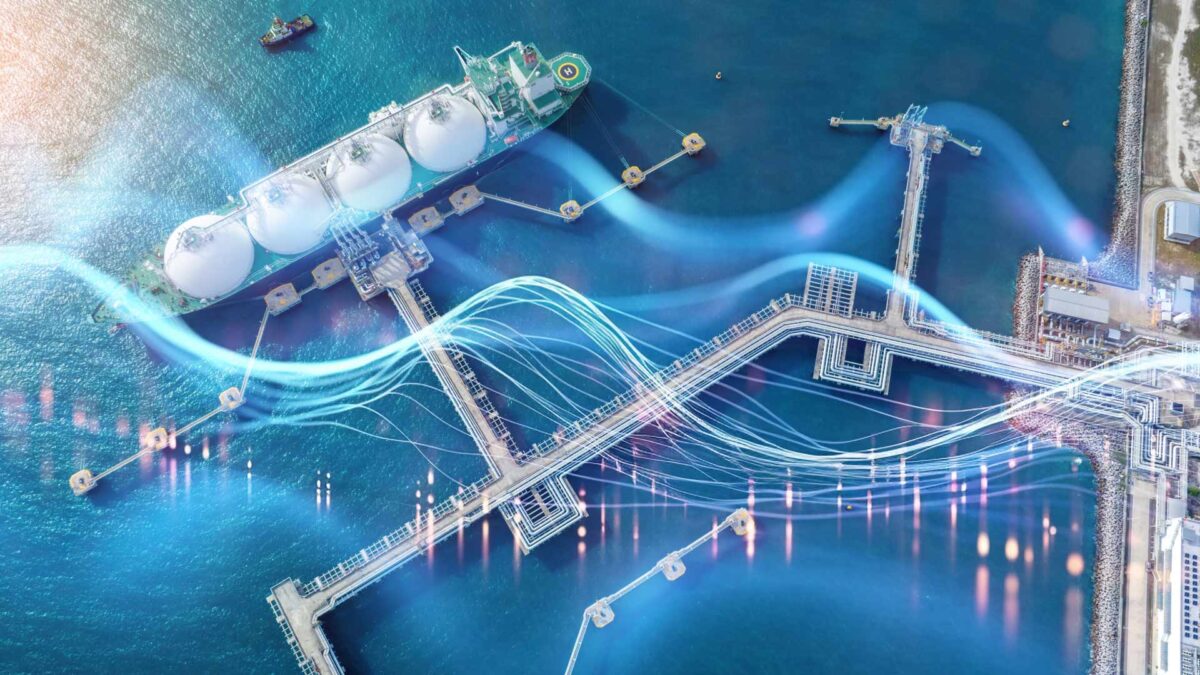

Natural gas sits at the centre of modern economic power because it links households, industry, government revenue and external balances. It is tempting to treat the subject as a narrow commodity story, but that misses the way it travels through the system. Prices influence inflation, investment decisions, fiscal planning, trade balances and political confidence. Gas once looked like the flexible bridge fuel of global energy transition. It still plays that role, but the politics around it have changed sharply as Europe’s energy shock, LNG competition and pipeline dependence exposed how gas can shape national security.
The first channel is cost. Energy and commodity inputs move through transport, food, manufacturing and electricity. When prices rise, households feel the pressure through fuel, food and utility bills, while companies see margins tighten unless they can pass costs to customers. When prices fall, the relief is not always evenly distributed. Importers gain purchasing power, but producers, exporters and resource-dependent governments may lose revenue. Gas prices feed into electricity, fertiliser, chemicals and heavy industry. When gas prices move sharply, the effect is not confined to household heating bills; it can alter the competitiveness of entire manufacturing bases.
The second channel is security. Countries do not assess strategic commodities only by price; they assess reliability, control and exposure to disruption. A supply line that is cheap but politically vulnerable can become more expensive than a diversified system that appears inefficient in normal times. Pipeline infrastructure creates dependence, while LNG creates flexibility but also competition. Countries with regasification terminals, storage capacity and reliable contracts have more strategic room than those dependent on a narrow corridor.
Capital markets have absorbed this lesson. Investors now examine not only expected demand and spot prices, but also the quality of reserves, regulatory risk, infrastructure bottlenecks, shipping exposure, financing costs and the ability of projects to withstand political scrutiny. A commodity cycle is therefore no longer just a chart of demand versus supply. It is also a map of where states, companies and financiers believe strategic scarcity may emerge.
The strategic reading
For companies, the strategic issue is resilience. Energy-intensive companies must evaluate location through gas availability, price stability and grid resilience. Procurement teams, treasurers and boards must decide whether to rely on the lowest-cost supplier, build redundancy, hedge exposure or invest closer to key markets. The answer depends on balance-sheet strength, customer tolerance for price changes and the political importance of the product being sold.
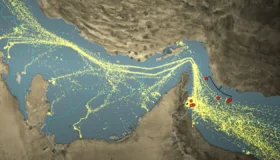
The market effect can be swift. Gas markets can shift when weather, storage levels, shipping, sanctions or Asian LNG demand changes the balance. Higher freight costs, insurance premiums, storage constraints or policy interventions can turn a local disturbance into a wider price signal. That is why energy and commodity analysts increasingly read diplomacy, sanctions, shipping data and industrial policy alongside inventories and demand forecasts.
There is also a policy caution. Security can conflict with transition. Some governments need gas to reduce coal use, while others worry that new infrastructure locks in emissions and financial exposure. Governments that overreact to temporary price moves can distort investment, while governments that ignore structural vulnerability may face sharper crises later. The better approach is usually a combination of transparent reserves policy, diversified supply, credible regulation and investment in infrastructure that can absorb shocks.
For Economic Statesman readers, gas should be read as a strategic infrastructure market, not only as a fuel. The winners are those that combine supply diversity, storage, contracts and credible transition planning. The subject is not only about scarcity or abundance. It is about who controls supply, who finances capacity, who bears the adjustment cost and how quickly an economy can adapt when assumptions change. In that sense, commodity strategy has become part of economic statecraft.
For Economic Statesman readers, the practical lesson is to treat the subject not as an isolated market event but as part of a wider system of policy credibility, capital allocation and institutional trust. The most useful analysis is rarely the loudest forecast. It is the disciplined reading of incentives, balance sheets, political constraints and time horizons that decide whether an economic signal becomes a durable trend or a temporary disturbance.
For Economic Statesman readers, the practical lesson is to treat the subject not as an isolated market event but as part of a wider system of policy credibility, capital allocation and institutional trust. The most useful analysis is rarely the loudest forecast. It is the disciplined reading of incentives, balance sheets, political constraints and time horizons that decide whether an economic signal becomes a durable trend or a temporary disturbance.
Helena Strauss
Helena Strauss writes on energy markets, commodities, climate finance and the industrial policy choices behind energy security.