
How Gulf Sovereign Wealth Funds Became Global Market Players
Gulf sovereign wealth funds now sit at the centre of global capital allocation, linking energy wealth with long-term strategic investment.
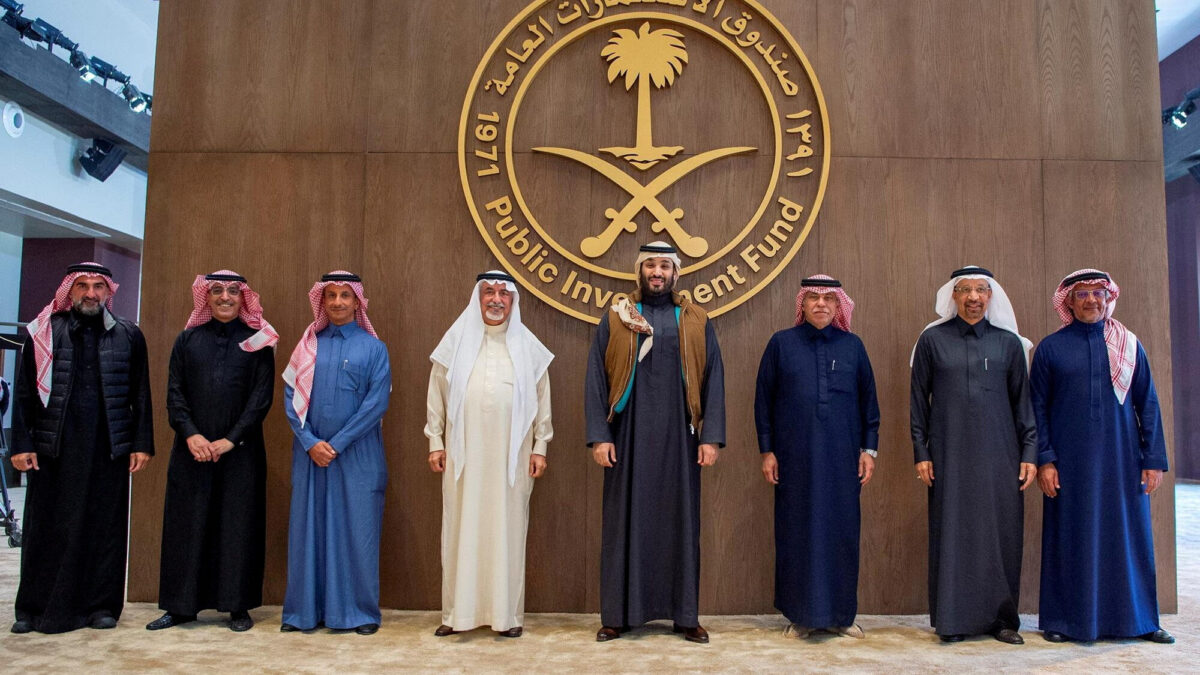

Gulf sovereign wealth funds began as instruments of intergenerational savings, designed to transform hydrocarbon surpluses into financial assets that could support national balance sheets beyond the oil cycle. That function still matters. But the largest Gulf funds are no longer understood only as reserve managers. They have become global market participants, strategic shareholders, infrastructure financiers and economic transformation vehicles. Their decisions are read in boardrooms from New York to London, Singapore and Mumbai because they influence capital flows across technology, real estate, private equity, logistics, energy transition and public markets.
The shift reflects a change in both the region and the global economy. For decades, oil revenue created large fiscal surpluses that required professional investment management. Today, Gulf governments also need capital to accelerate domestic diversification. That creates a dual mandate. Funds must earn returns globally while supporting local development priorities. The result is a model that is neither purely financial nor narrowly political. It is a form of state-backed capital allocation where financial discipline, national strategy and geopolitical positioning increasingly overlap.
Abu Dhabi, Saudi Arabia, Qatar and Kuwait have developed different institutional styles, but the direction is broadly similar. Some funds have long traditions of diversified global investing. Others have become more active in domestic transformation, industrial policy and technology partnerships. Public Investment Fund, Abu Dhabi Investment Authority, Mubadala, Qatar Investment Authority and Kuwait Investment Authority are not interchangeable institutions, but they share a common feature: they convert national resource income into influence across asset classes and geographies.
Their rise has been helped by the structure of modern markets. Private markets need patient capital. Infrastructure projects require long-duration investors. Technology companies need large pools of funding to scale. Energy transition assets require capital that can tolerate complex policy cycles. Gulf funds are often able to participate in these spaces because they combine scale, long horizons and relationships with governments and corporations. In an era when traditional public-market investing is not enough to shape outcomes, these characteristics are powerful.
From surplus management to strategic capital
The important development is not simply the size of the funds. It is the way they are used. Gulf capital can take minority stakes in global companies, support domestic industrial champions, anchor real estate projects, finance renewable energy platforms and participate in artificial intelligence infrastructure. In each case, capital performs more than one function. It seeks return, but it also builds access, knowledge, supply-chain relevance and geopolitical optionality. This is why sovereign wealth funds now sit inside the broader conversation about economic statecraft.
There are risks. Concentrated state capital can raise questions about governance, transparency and political influence. Large domestic commitments can expose funds to execution risk if projects are driven by national ambition rather than commercial discipline. Global investments can be affected by sanctions, regulatory review or market downturns. The best funds manage these risks through professional governance, portfolio diversification and clear investment processes. The weaker ones can become vehicles for prestige rather than durable value creation.
For global companies, Gulf funds represent more than financing. They can offer market access, regional partnerships and long-term shareholders who understand infrastructure-heavy growth. For Gulf governments, the same funds help reduce the future fiscal dependence on hydrocarbons by expanding income streams and building strategic sectors. The relationship between a sovereign fund and the national economy therefore runs both ways: the state capitalises the fund, and the fund helps redesign the state’s future revenue base.
The next phase will be shaped by technology and infrastructure. Artificial intelligence, data centres, semiconductors, logistics corridors, aviation, clean energy and advanced manufacturing all require deep capital and long planning horizons. Gulf funds are likely to be central because these sectors match both the region’s diversification agenda and the world’s demand for strategic investment. The competition will not only be about who can write the biggest cheque. It will be about who can assemble capital, policy, land, power and global partnerships into operating platforms.
Gulf sovereign wealth funds have become global market players because the world now rewards scale, patience and strategic positioning. Their influence will continue to grow as more capital moves into private assets, infrastructure and technology systems. The key question is whether they can maintain commercial discipline while carrying national ambition. If they can, the Gulf’s financial institutions will not merely invest in the global economy. They will help shape its next architecture.
Nadia Al-Hassan
Nadia Al-Hassan focuses on the economics of AI, semiconductors, cloud infrastructure, cybersecurity and digital sovereignty.