
Who Shares the Credit for an Award-Winning Production? Inside Dhurandhar’s Six DPIFF Wins
Dhurandhar received six DPIFF Awards in 2026, recognising its film, direction, joint producers, performances and music.
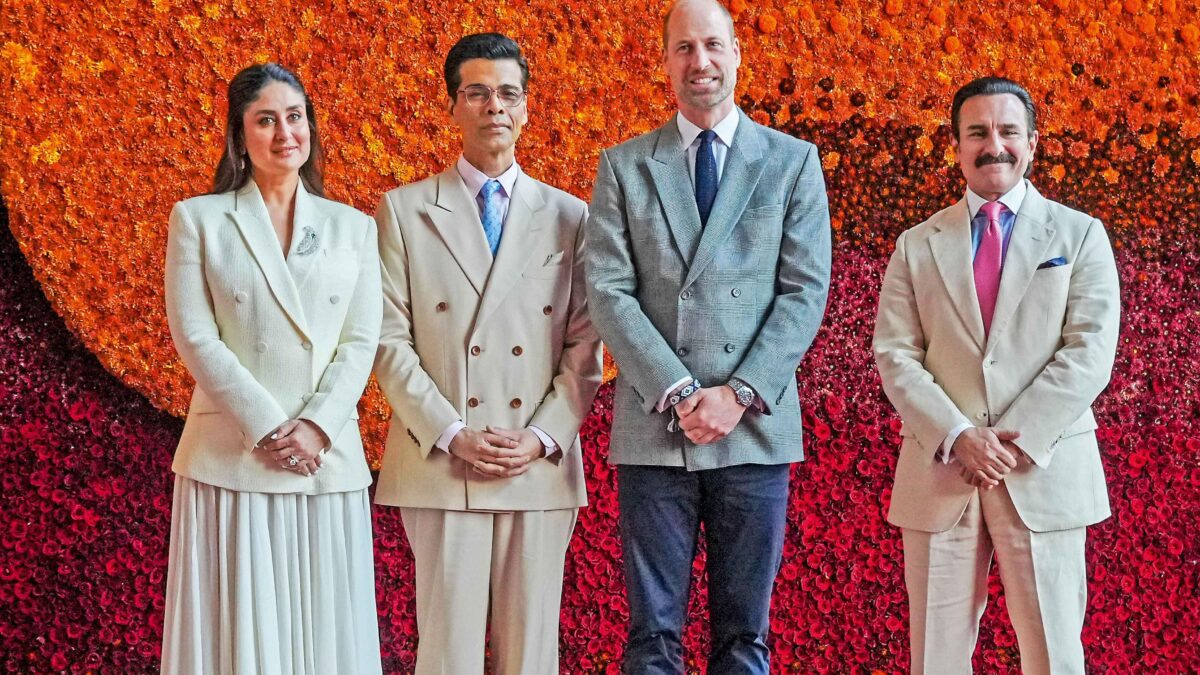

The film’s six honours recognise its producers, director, performers and music director, offering a closer look at the creative and production responsibilities behind an award-winning film.
A star-led awards report can easily place the spotlight on the leading actor and overlook the people responsible for bringing a film to the screen. The Dadasaheb Phalke International Film Festival (DPIFF) Awards 2026 offer a more complete picture of the team behind Dhurandhar.
The film received six honours, including Best Film, Best Director and Producer of the Year. The production award was jointly presented to Aditya Dhar, Jyoti Deshpande and Lokesh Dhar. Dhar also received a separate award for Best Director.
The distinction is important. Direction and production are different responsibilities, even when one person is recognised in both categories. The remaining awards acknowledge the film’s lead performance, its negative-role performance and its music direction.
Together, these six honours distribute recognition across the film and several of the people who contributed to it.
The Six DPIFF Awards: A Breakdown of the Credits
The official DPIFF winners announcement identifies the following six awards for Dhurandhar:
| Award category | Recipient | Contribution recognised |
|---|---|---|
| Best Film | Dhurandhar | The film as a complete production |
| Best Director | Aditya Dhar | Direction and creative leadership |
| Producer of the Year | Aditya Dhar, Jyoti Deshpande and Lokesh Dhar | Joint production recognition |
| Best Actor | Ranveer Singh | Lead acting performance |
| Best Actor in a Negative Role | Akshaye Khanna | Performance in a negative role |
| Best Music Director | Shashwat Sachdev | Music direction |
The categories recognise different forms of contribution. Best Film acknowledges the finished work, while the individual awards identify specific creative and production roles.
Best Film: Recognition for the Complete Production
The Best Film award went to Dhurandhar. Unlike an individual acting or technical category, this honour recognises the film as a complete work.
A finished film brings together multiple creative disciplines. Its identity is shaped by the story, direction, performances, cinematography, music and the wider production process.
The Best Film recognition places the collective result at the centre of the awards. It acknowledges the production beyond the contribution of any single performer or department.
Aditya Dhar: Recognised for Both Direction and Production
Aditya Dhar received two separate honours at the 2026 DPIFF Awards: Best Director and a joint Producer of the Year award.
These awards recognise different responsibilities.
The Best Director category acknowledges Dhar’s direction of Dhurandhar. A director guides the creative execution of a film, shaping its storytelling, performances and visual treatment.
The Producer of the Year category, on the other hand, recognises Dhar alongside Jyoti Deshpande and Lokesh Dhar. Production leadership involves bringing together the people, resources and organisational work needed to deliver a film.
Dhar’s recognition in both categories reflects his presence across these two areas. However, the joint producer award also makes an important point: the production credit is shared.
Jyoti Deshpande and Lokesh Dhar: The Shared Production Credit
The joint Producer of the Year award is one of the most significant details in Dhurandhar‘s six-win record.
Jyoti Deshpande and Lokesh Dhar were recognised alongside Aditya Dhar. Their inclusion means the production award cannot be presented as an individual achievement belonging only to the director.
A producer’s role is distinct from the director’s creative responsibilities. Producers are associated with organising and overseeing the production process, coordinating the different elements required to bring a project to completion.
The DPIFF announcement names all three recipients jointly. It does not provide a breakdown of their individual duties, financial contributions or contractual arrangements. Those details should therefore not be assumed.
For an industry audience, the shared award is a reminder that a film’s public identity and its production credits are not necessarily the same thing.
Ranveer Singh and Akshaye Khanna: Two Different Acting Honours
The acting awards recognise two distinct performances within Dhurandhar.
Ranveer Singh received Best Actor for his lead performance. The award recognises his central acting contribution to the film.
Akshaye Khanna received Best Actor in a Negative Role. This category acknowledges his performance in a different character role within the story.
The distinction between the two categories matters. They are not competing for the same award. Instead, they recognise different acting contributions and the different functions those performances serve in a film.
By honouring both performers, the awards list acknowledges more than the lead role alone.
Shashwat Sachdev: The Music Direction Behind the Film
The sixth honour went to Shashwat Sachdev, who received Best Music Director for Dhurandhar.
Music direction is a distinct creative responsibility within filmmaking. Music can establish atmosphere, support the emotional movement of a story and shape how audiences experience particular scenes.
Sachdev’s recognition completes the film’s six-award record by acknowledging a contribution that extends beyond the work of the actors, director and producers.
It also highlights the role of music as part of the wider creative identity of a film.
What the Six Wins Say About Film-Making
The six awards provide a useful framework for understanding how recognition is distributed across a film production.
Best Film recognises the completed work. Best Director identifies creative leadership. Producer of the Year acknowledges the three named production recipients. The acting awards distinguish the lead performance from the negative-role performance, while Best Music Director recognises the film’s musical contribution.
This is a broader picture than a conventional celebrity-led awards report.
It also demonstrates why production credits deserve attention. A film may be publicly identified with its leading actor, but its creation involves several professionals working across different responsibilities.
The DPIFF announcement does not publish production budgets, financing arrangements or commercial returns for Dhurandhar. Its six awards should therefore be understood as recognition across creative and production categories, rather than as evidence of any particular financial outcome.
Recognition Beyond the Leading Name
The DPIFF Awards 2026 covered 41 categories across Indian cinema, international films, OTT, television, music and short films. Within that wider list, Dhurandhar‘s six honours recognise a range of contributions to one production.
The result is notable not simply because of the number of awards, but because of the different roles represented.
Aditya Dhar’s double recognition connects direction and production. The joint producer award gives Jyoti Deshpande and Lokesh Dhar their place in the production record. Ranveer Singh and Akshaye Khanna are recognised for different acting categories, while Shashwat Sachdev receives recognition for music direction.
The six wins ultimately tell a story about shared creative work. They move the focus beyond the most visible face of a film and towards the wider team whose contributions make the finished production possible.
Elena Marlowe
Elena Marlowe represents the Economic Statesman editorial desk for platform pages, standards and institutional information.