Oil Prices Slide Despite Middle East Tensions: Is the Global Energy Crisis Finally Easing?
Global oil prices are declining as recovering production and rising inventories ease supply pressures. However, security threats around the Strait of Hormuz and continuing disruptions to refined fuel supplies are keeping international energy markets vulnerable.
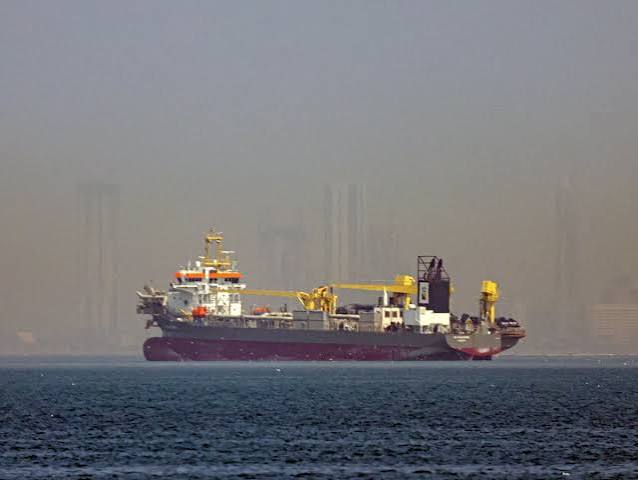

Oil prices are approaching three-month lows as recovering supplies and rising inventories begin to ease market pressure. However, continuing threats to shipping through the Strait of Hormuz mean that the global energy market remains vulnerable to another sudden disruption.
News Peg: On 24 November, Brent crude fell 0.7% to US$88.71 per barrel, while US West Texas Intermediate (WTI) declined 0.8% to US$79.57. Rising global supply and signs of a market surplus outweighed continuing security concerns around the Strait of Hormuz.
Oil Prices Decline as Global Supply Begins to Recover
International oil markets are showing signs of relief as recovering production and improving export flows begin to ease the supply pressures created by months of geopolitical disruption.
On Tuesday, 24 November, Brent crude approached a three-month low, falling to US$88.71 per barrel. US West Texas Intermediate also declined to US$79.57.
The latest movement reflects a changing balance between geopolitical risks and physical oil availability.
For much of 2026, conflict in the Middle East disrupted production, damaged energy infrastructure and complicated international shipping. These developments pushed oil prices higher and raised concerns about the availability of essential fuels.
However, recent improvements in Gulf exports and increasing global inventories suggest that the market is beginning to rebalance.
According to the International Energy Agency’s November Oil Market Report, global oil supply increased by 2.3 million barrels per day in October, reaching 105.4 million barrels per day.
The increase has strengthened expectations that international oil supply could gradually recover despite continuing geopolitical uncertainty.
The market is now facing a different question: whether recovering production will be sufficient to restore stability across global energy markets.
The Strait of Hormuz Remains a Critical Energy Risk
Despite declining oil prices, the Middle East remains central to the global energy outlook.
The Strait of Hormuz is one of the world’s most strategically important maritime energy corridors, connecting major Gulf oil producers with international markets.
A substantial proportion of internationally traded crude oil and liquefied natural gas normally passes through this narrow waterway.
Any prolonged disruption can affect shipping schedules, insurance premiums, transportation costs and energy availability.
On 24 November, Reuters reported continuing security concerns around the strait, including Iranian reports that three oil tankers had caught fire after striking naval mines.
The United States was also investigating possible Iranian cyberattacks targeting energy tankers.
These developments demonstrate why lower oil prices do not necessarily indicate that geopolitical risks have disappeared.
Even when production increases, uncertainty around transportation can prevent energy supplies from returning to normal.
For importing economies, particularly those heavily dependent on Gulf energy shipments, the security of this route remains an important economic concern.
Global Oil Inventories Show Signs of Recovery
One of the most important developments in the current oil market is the improvement in global inventories.
The IEA reported that observed global oil inventories increased by 52 million barrels in October, equivalent to approximately 1.7 million barrels per day.
This was the first monthly increase since June 2026.
The recovery was supported by stronger Gulf exports and an increase in oil held in transit.
Gulf oil exports, excluding Oman, reached 18.4 million barrels per day in October, representing approximately 26% less than pre-war levels.
Although exports have not fully recovered, the improvement is significant because it indicates that international supply chains are gradually adapting to ongoing disruptions.
Higher inventories can provide a buffer against unexpected supply interruptions.
They also reduce immediate pressure on buyers who previously faced competition for limited available cargoes.
However, the IEA cautions that attacks on shipping and continued weakness in refined-product supplies, particularly diesel, remain important concerns.
Why Recovering Oil Production Is Changing Market Expectations
The increase in global production is reshaping expectations for the coming months.
According to the IEA, global oil supply declined by approximately 4.8 million barrels per day on an annual basis in 2026.
However, the agency expects supply to recover by 6.6 million barrels per day in 2027, taking global production to approximately 108.1 million barrels per day.
The recovery is expected to be led by Middle Eastern producers as disrupted production and export capacity gradually return.
Additional growth from producers outside the Gulf, including the United States, Canada, Brazil, Argentina and Guyana, is also expected to support global supply.
This broader production base is important because it reduces the extent to which international markets depend on a limited number of energy-producing regions.
Nevertheless, the timing of the recovery will depend on security conditions, infrastructure repairs and the ability of producers to restore normal export operations.
Oil Demand Remains Weak Despite Improving Supply
Supply is only one side of the global oil market.
Demand has also weakened significantly during the geopolitical disruption.
Higher fuel prices have encouraged households and businesses to reduce consumption, while industrial disruptions have affected demand for petroleum products.
The IEA forecasts that global oil demand will decline by 2.7 million barrels per day in 2026, reaching approximately 102.3 million barrels per day.
The agency expects demand to rebound by 2 million barrels per day in 2027 as supply chains gradually normalise.
However, the recovery is expected to be uneven.
Petrochemical feedstocks, including LPG, ethane and naphtha, are expected to account for a substantial share of additional demand next year.
Transport fuel consumption may recover more slowly because elevated prices, improved fuel efficiency and increasing electrification are changing long-term consumption patterns.
This distinction matters because a recovery in industrial demand does not necessarily translate into an equally strong recovery in petrol and diesel consumption.
The United States Is Becoming an Important Source of Supply Stability
Production outside the Middle East is playing an increasingly important role in the changing global energy balance.
The United States remains a major contributor to international oil supply, while Canada, Brazil, Guyana and Argentina are also expanding production.
The IEA expects these producers to contribute to global supply growth in 2026 and 2027.
This diversification is important for international energy security.
When production is concentrated in a limited number of countries, geopolitical disruptions can have an immediate impact on global prices.
A broader supply base can reduce this vulnerability, although alternative production cannot always replace disrupted Gulf exports immediately.
Infrastructure, transportation capacity, crude quality and refinery requirements all influence how quickly additional supply can reach international buyers.
The expansion of non-Gulf production is therefore a long-term source of resilience rather than an immediate solution to every supply disruption.
What Lower Oil Prices Mean for India and Other Importing Economies
The decline in crude prices is particularly important for economies that depend heavily on imported energy.
India is among the world’s major oil importers, making international crude prices an important factor in its trade balance and inflation outlook.
When oil prices decline, the cost of importing crude can ease, assuming import volumes and currency movements remain broadly stable.
Lower energy costs can reduce pressure on transportation, manufacturing, aviation and logistics businesses.
They may also help governments manage fuel-related inflation and the overall import bill.
However, the benefits depend on several factors.
A weaker domestic currency can offset some of the advantages of lower international oil prices.
Similarly, higher shipping charges, insurance premiums and supply-chain expenses can reduce the savings available to importing countries.
For India, maintaining diversified energy sourcing and strengthening strategic petroleum reserves remain important parts of its wider energy-security strategy.
Other major importers across Europe and Asia face similar considerations as they attempt to balance affordability with supply reliability.
The Energy Market Is Moving Towards a Possible Surplus
The latest market assessments suggest that global oil supply could begin exceeding demand during the fourth quarter of 2026.
The IEA’s November report identifies a return to surplus conditions in the final quarter, with a more substantial inventory build expected in 2027.
The US Energy Information Administration also expects global production to exceed consumption in the fourth quarter.
Its November outlook projects Brent crude to average around US$100 per barrel during November and December, with prices declining further as inventories recover during 2027.
The World Bank’s October commodity outlook similarly expects oil prices to ease gradually as production recovers.
These forecasts are conditional rather than guaranteed.
A prolonged interruption to Gulf exports, renewed attacks on energy infrastructure or additional restrictions on Russian supplies could change the balance quickly.
The market therefore faces two competing forces: improving physical supply and continuing geopolitical uncertainty.
Why Lower Oil Prices Do Not Mean the Energy Crisis Is Over
The decline in crude prices offers some relief, but the wider energy system remains under pressure.
Crude oil is only one component of the global energy market.
Refined products such as diesel, aviation fuel and liquefied petroleum gas are equally important for industrial activity, transportation and household consumption.
The IEA has identified continuing tightness in refined-product supplies, particularly diesel, as a major concern.
Refinery disruptions, transportation costs and restrictions on international product exports can keep fuel prices elevated even when crude prices decline.
This creates a complicated situation for businesses.
A manufacturer may benefit from lower crude prices but still face expensive diesel, electricity, freight and insurance costs.
Similarly, airlines and logistics companies may not immediately experience the full benefits of falling crude markets.
The recovery of the global energy system will therefore depend on improvements across production, refining, transportation and distribution.
What Investors Should Watch in the Coming Months
The direction of oil prices will remain important for financial markets and corporate investment decisions.
Investors are likely to monitor several developments:
- Strait of Hormuz security: Any escalation could disrupt exports and trigger renewed price increases.
- Global inventory levels: Continued stock accumulation would support expectations of improving supply conditions.
- OPEC+ production decisions: Changes in output policy could influence the balance between supply and demand.
- Russian energy exports: Continued infrastructure disruptions could restrict diesel and crude availability.
- Chinese and Indian demand: Consumption trends in major Asian economies will influence the pace of market recovery.
- Refinery capacity: Improvements in processing activity could ease shortages of refined products.
For energy companies, these developments will influence production strategies, investment decisions and profitability.
For governments, they will shape decisions involving energy security, fuel costs and inflation management.
The Global Energy Outlook: Relief, but Not Yet Stability
The latest decline in oil prices indicates that the global energy market may be moving towards a more balanced position.
Recovering production, stronger Gulf exports and rising inventories are easing some of the pressures that dominated international markets earlier in the year.
However, the continuing security risks around the Strait of Hormuz and persistent weaknesses in refined-product supplies demonstrate that the recovery remains fragile.
For major oil-importing economies, lower crude prices offer an opportunity to reduce import costs and strengthen economic resilience.
For producers, the challenge will be to restore supply without creating excessive market volatility.
The global energy crisis may be entering a less severe phase, but lasting stability will depend on secure shipping routes, reliable production and a sustained recovery in international energy supply chains.
Helena Strauss
Helena Strauss writes on energy markets, commodities, climate finance and the industrial policy choices behind energy security.