How Energy Revenue Is Being Converted Into Global Assets
Energy revenue is increasingly being converted into diversified global assets as producer states prepare for a more complex economic future.

Oil and gas revenue is powerful, but it is also cyclical. Prices rise, budgets expand, projects accelerate and foreign reserves grow. Then prices fall, and the same economies face pressure. This pattern has shaped energy-exporting states for decades. The strategic response has been to convert temporary commodity revenue into global assets that can generate income, preserve wealth and support national objectives after the resource cycle changes. In the Gulf, this conversion has become one of the defining economic stories of the modern era.
The mechanism is familiar: governments collect revenue from hydrocarbons, allocate part of that revenue to sovereign wealth funds or state investment vehicles, and those institutions invest across global markets. The important change is the sophistication of the process. Earlier strategies often focused on reserve preservation and public-market portfolios. Today, energy revenue is being placed into private equity, infrastructure, technology, real estate, renewables, logistics, healthcare, artificial intelligence and domestic industrial platforms. The goal is no longer only to save. It is to shape.
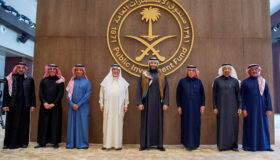
Sovereign wealth funds are the main vehicles. ADIA, Mubadala, PIF, QIA and other Gulf institutions manage capital on behalf of states whose fiscal strength has historically depended on hydrocarbons. Their portfolios help reduce exposure to the oil price by generating returns from global assets. When well managed, they provide a second engine of national wealth. This is especially important as governments face rising spending needs, demographic demands and the long-term uncertainty of energy transition.
The conversion from energy revenue to global assets is not simply financial. It creates relationships. A sovereign investment in a technology company can provide access to expertise. An infrastructure stake can deepen commercial ties with another country. A real estate portfolio can preserve capital in global cities. A renewable platform can support domestic energy transition. Capital becomes a diplomatic and strategic instrument as well as an investment tool.
Turning commodity cycles into enduring portfolios
Domestic investment has become a larger part of the story. Energy revenue is being used to build new sectors at home: tourism, logistics, mining, manufacturing, aviation, digital infrastructure and financial services. This is more difficult than buying global securities because domestic projects require execution, regulation, labour force development and demand creation. But it is also more transformative. A successful domestic investment can create jobs and future tax bases, not just financial returns.
The risk is misallocation. Commodity booms can encourage overconfidence. Large surpluses may fund projects that are politically attractive but commercially weak. Sovereign funds can be asked to carry too many national objectives at once. The difference between strategic investment and prestige spending is often visible only years later. Strong governance, professional management and transparent performance discipline are therefore essential to converting energy revenue into durable assets.
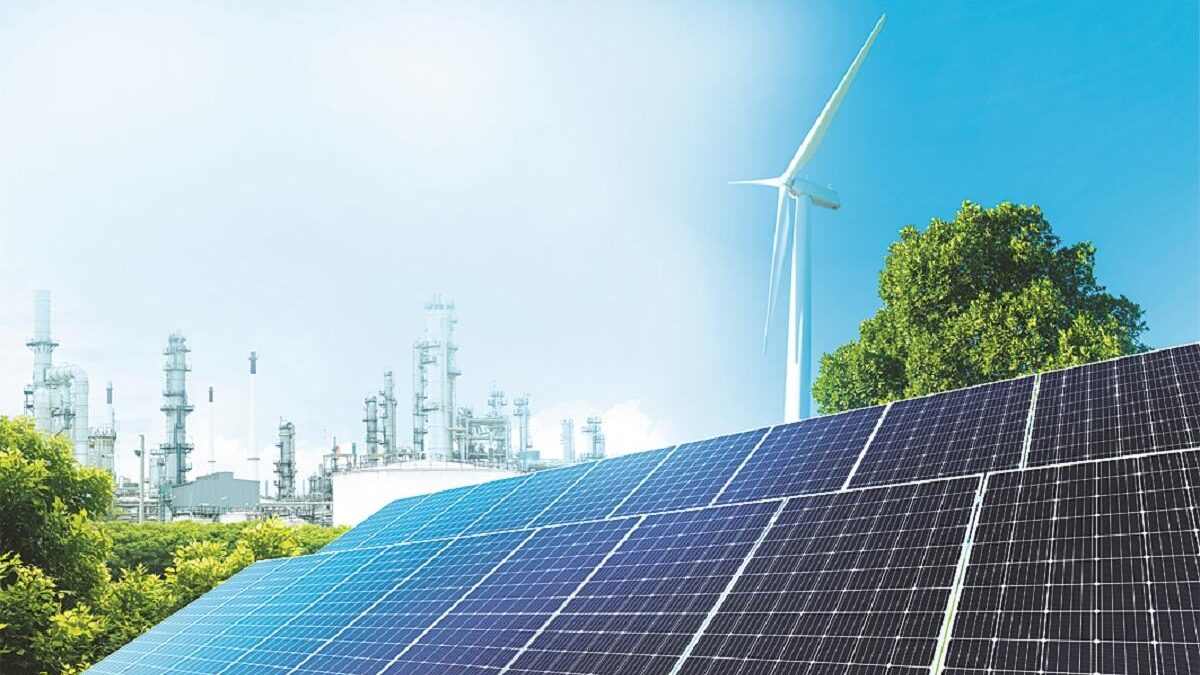
Energy transition adds urgency. Oil and gas will remain important for years, but producer states know that demand, regulation and technology are changing. Even if hydrocarbons remain profitable, fiscal systems cannot assume permanent windfalls. Global assets provide a hedge against uncertainty. They also allow producer states to participate in sectors that may benefit from the transition, including renewables, critical minerals, power infrastructure and advanced industry.
For global markets, Gulf capital has become a stabilising and strategic presence. It can anchor funds, support infrastructure projects and provide long-duration investment when other capital is more short-term. But it can also attract scrutiny, especially in sectors linked to technology, ports, data or national security. As state-backed capital becomes more active, investment decisions are increasingly assessed through political as well as financial lenses.
Energy revenue is being converted into global assets because resource wealth must be transformed to endure. The countries that do this well will move from being commodity exporters to diversified capital powers. The countries that do it poorly may find that high prices delayed rather than solved structural dependence. The Gulf’s next economic chapter will be written not only in barrels and gas cargoes, but in portfolios, platforms and productive assets.
For Economic Statesman readers, the useful test is not whether the headline idea sounds attractive, but whether the underlying institutions, capital discipline and execution capacity can sustain it. Markets eventually separate durable structural change from temporary policy momentum. That is why the subject should be read through evidence, sequencing and incentives rather than through promotional language or short-term sentiment.
Victor Ames
Victor Ames writes on market structure, capital flows, investment cycles and the way financial conditions transmit into the real economy for Economic Statesman.