Why Saudi Vision 2030 Is Also a Capital Allocation Story
Saudi Vision 2030 can be read as a national capital allocation strategy as much as a diversification plan.
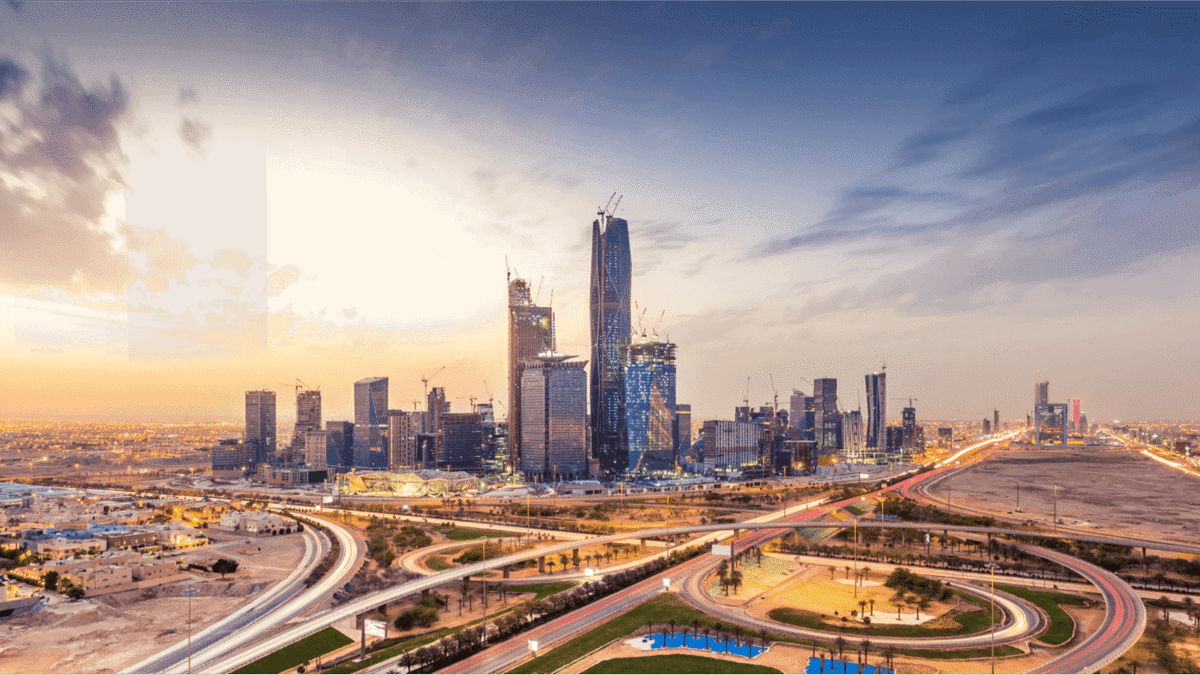

Saudi Vision 2030 is usually described as a transformation agenda: a plan to diversify the economy, expand non-oil sectors and change the kingdom’s social and commercial landscape. That description is accurate, but incomplete. At its core, Vision 2030 is also a capital allocation story. It is about where Saudi Arabia chooses to deploy public capital, how it attracts private investment, which sectors receive institutional priority and how national balance-sheet strength is converted into new engines of growth.
The scale of the agenda matters because diversification cannot be achieved through slogans. It requires airports, hotels, industrial zones, entertainment districts, logistics corridors, ports, power systems, data centres, housing, human capital and regulatory reform. Each of these requires investment sequencing. A country can announce many projects, but capital allocation determines which projects become productive assets and which remain symbolic. Vision 2030 is therefore being judged not only by ambition but by execution discipline.
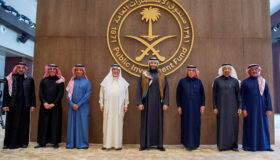
The Public Investment Fund is central to this reading. It is not simply a sovereign wealth fund investing abroad. It is also a domestic development actor, anchor investor and industrial strategist. Through PIF-linked companies and sectoral platforms, Saudi Arabia has tried to accelerate new industries that might otherwise take decades to emerge. This changes the role of state capital. Instead of merely saving oil revenue for future generations, capital is used to build tourism, mining, manufacturing, sports, aviation, entertainment and technology capacity inside the economy.
That approach can create momentum, but it also raises the bar for returns. State-led investment can mobilise projects quickly, especially when land, regulation and financing are aligned. Yet speed can hide trade-offs. If too much capital is committed before demand, skills and operating models are ready, projects can become expensive. If capital is disciplined, the state can crowd in private investors and create new markets. Vision 2030’s success depends on which of these patterns dominates over the long run.
The national portfolio behind the reform agenda
The investment story is also linked to labour markets. Saudi Arabia needs sectors that create jobs, develop skills and widen private-sector participation. Tourism and entertainment can absorb labour, but advanced manufacturing and digital infrastructure require specialised capabilities. Logistics and aviation can create ecosystem employment, but they also depend on competitiveness beyond domestic spending. Capital allocation must therefore be accompanied by education, training and regulatory reform. Money can build physical assets; institutions and skills determine whether those assets become productive.
Foreign investment is another test. International companies watch whether reforms are durable, whether dispute resolution is credible, whether local partnerships are commercially transparent and whether demand is deep enough to justify long-term presence. Vision 2030 has improved Saudi Arabia’s visibility as an investment destination, but investors distinguish between participating in state-backed projects and building independent, profitable operations. The more the kingdom can convert public investment into private-sector confidence, the stronger the diversification story becomes.
Energy remains part of the equation rather than an old economy being left behind. Oil revenue still finances transformation, and energy advantage can support industries that require power, logistics and feedstock. The strategic question is not whether Saudi Arabia stops being an energy economy overnight. It is whether energy income is converted into durable assets that reduce future vulnerability to commodity cycles. In that sense, Vision 2030 is a bridge between hydrocarbon balance-sheet strength and a more diversified capital base.
The global context makes the agenda more important. Countries are competing for manufacturing, data centres, supply-chain corridors, tourism flows and strategic investors. Saudi Arabia is using capital to enter that competition with scale. But capital is no longer enough by itself. The world rewards execution, governance and resilience. The strongest projects will be those with clear demand, credible economics and links to wider regional and global networks.
Vision 2030 should therefore be read less as a list of projects and more as a national portfolio. Some investments will outperform, some will need restructuring and some may be more strategic than financial. The task is to ensure that the portfolio as a whole creates productivity, private investment and future revenue capacity. If Saudi Arabia gets that allocation right, Vision 2030 will be remembered not merely as a reform programme but as one of the most consequential capital redeployments in the modern Middle East.
Nadia Al-Hassan
Nadia Al-Hassan focuses on the economics of AI, semiconductors, cloud infrastructure, cybersecurity and digital sovereignty.