
Why the Federal Reserve Still Sets the Rhythm for Global Markets
A source-led Economic Statesman explainer on why the federal reserve still sets the rhythm for global markets, written for readers tracking united states, policy, markets and capital.
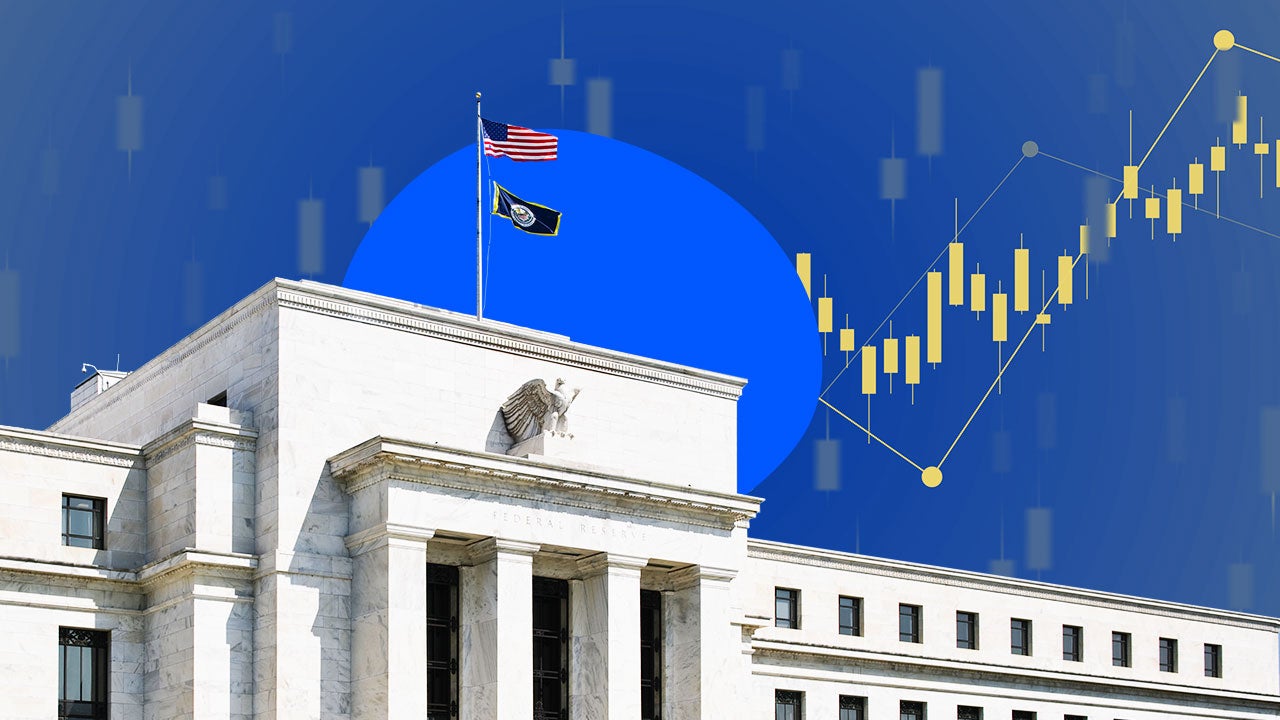

The Federal Reserve is the central bank of the United States, but its influence is global. The reason is not only America’s economic size. It is the role of the dollar, US Treasury markets and dollar funding in the international financial system. When the Fed changes policy or language, it affects borrowing costs, currency values, risk appetite and capital flows far beyond the United States.
At the centre is the federal funds rate, but markets often respond as much to the expected path of policy as to the current rate. A single statement can change how investors price future cuts or increases. That repricing moves Treasury yields, which then influence mortgage rates, corporate borrowing, equity valuations and emerging-market funding conditions. The Fed’s words become part of the price of money.
Dollar strength is one of the main transmission channels. Higher US rates can attract capital toward dollar assets. That can strengthen the dollar and make imports, debt service and commodity purchases more expensive for countries whose currencies weaken. Because many commodities and cross-border debts are dollar-linked, the Fed’s domestic anti-inflation policy can become an external pressure for other economies.
Emerging markets are especially sensitive. When dollar funding tightens, investors often become more selective. Countries with current-account deficits, high external debt or weak reserves may face pressure. Countries with credible policy frameworks and local-currency funding are better placed. The Fed therefore does not determine every emerging-market outcome, but it changes the environment in which those outcomes are judged.
US Treasury markets amplify the effect. Treasuries are treated as a global benchmark for risk-free rates. When Treasury yields rise, many assets must be repriced against that higher base. Equity valuations, credit spreads, infrastructure returns and private-market discount rates all feel the pressure. The Fed’s policy path becomes a reference point for global capital allocation.
Why communication matters as much as action
Modern central banking is not only about moving rates. It is about managing expectations. The Fed uses statements, projections and speeches to guide markets toward its reaction function. Investors listen for changes in language around inflation, labour markets, financial conditions and confidence. A subtle shift can move markets before any formal rate change occurs.
The challenge is that the Fed has a domestic mandate. It is not responsible for managing every global consequence of dollar liquidity. Yet global markets have built themselves around the dollar system. This creates an asymmetry: the Fed acts for US conditions, while the world must adjust. Other central banks often have to consider the Fed even when their domestic cycle is different.
The Fed’s influence does not mean it is all-powerful. Fiscal policy, productivity, geopolitics, banking stress and private credit conditions can complicate its transmission. There are periods when markets resist the Fed’s message or when financial conditions ease despite official caution. Still, the Fed remains the institution most capable of changing the global cost of capital through a single policy shift.
The Fed’s balance sheet is another part of the rhythm. Asset purchases, runoff and liquidity facilities affect reserves, market functioning and investor psychology. Even when policy rates receive the headlines, balance-sheet policy can influence the availability of liquidity in the financial system. Markets watch whether the Fed is tightening money through rates, the balance sheet, or both.
There is also a credibility premium. If investors believe the Fed will control inflation without losing sight of financial stability, markets can price risk with more confidence. If communication becomes unclear, volatility rises. The institution’s influence therefore rests not only on legal authority, but on the belief that it understands the trade-offs and will respond coherently as conditions change.
The global cycle often turns on changes in expectation rather than completed decisions. A hint that policy may remain restrictive can lift the dollar and pressure risk assets. A hint of eventual easing can revive capital flows and equity appetite. The Fed sets rhythm because global markets trade the future path of money, not only today’s policy setting.
Because American markets function as reference markets, the domestic and international readings cannot be separated. A policy decision may be aimed at households, banks or companies inside the United States, but global investors compare every other opportunity against the yield, liquidity and legal architecture available in America. This is why a change in Washington or New York can quickly become a pricing issue for projects, currencies and balance sheets elsewhere.
The wider implication is that US economic power is often exercised through systems rather than declarations. Treasury markets, bank regulation, venture capital, industrial incentives and payment infrastructure create incentives that other countries and companies must navigate. The question for serious readers is not whether America matters, but through which channel it matters in a given moment: rates, liquidity, regulation, demand, technology or sanctions exposure.
Readers should watch the Fed through three lenses: inflation credibility, labour-market tolerance and financial-stability concern. If inflation remains above comfort, policy may stay restrictive. If employment weakens, the balance may change. If market stress threatens stability, liquidity tools may reappear. The Fed sets the rhythm because the dollar is the music to which global finance still moves.
Elena Marlowe
Elena Marlowe represents the Economic Statesman editorial desk for platform pages, standards and institutional information.