Why the Middle East Matters to the Future of Global Capital
The Middle East has become central to global capital because it links energy, sovereign wealth, infrastructure, technology and strategic geography.


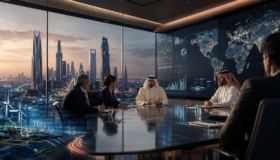
The Middle East matters to the future of global capital because it sits at the intersection of several forces that are reshaping the world economy: energy security, sovereign wealth, infrastructure finance, technology investment, trade corridors and geopolitical realignment. The region is not only a source of oil and gas. It is increasingly a source of capital, a destination for capital and a platform through which capital moves between Asia, Europe, Africa and North America.
For much of the twentieth century, the region’s financial relevance was tied to hydrocarbons. Energy exports generated revenue, and that revenue flowed into bank deposits, government reserves and eventually sovereign wealth funds. That pattern has matured. Today, Gulf sovereign funds invest across global markets, regional financial centres attract asset managers and private wealth, and governments use capital to build domestic sectors beyond energy. The result is a region that is both funded by the old energy system and investing in the next one.
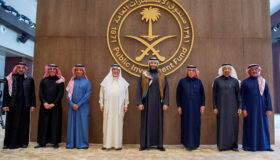
The scale of sovereign capital gives the Middle East unusual influence. Large funds can participate in private equity, technology, infrastructure, real estate, renewable energy and public markets with long horizons. They can help finance companies during periods when other investors are cautious. They can also use capital to build strategic relationships. This makes the region important not just to portfolio managers but to governments and corporations seeking long-term partners.
Financial centres add institutional depth. Dubai, Abu Dhabi, Doha, Riyadh and other cities are competing to host global firms, family offices, fintech companies and asset managers. This competition is not only about office towers. It is about regulation, legal systems, tax frameworks, dispute resolution, talent and market access. As more wealth is created and managed within the region, the Middle East’s role in global finance becomes more structural.
A region becoming a capital corridor
The region’s geography gives it another advantage. It connects major trade routes, energy corridors and emerging markets. Ports, airlines and logistics zones make the Gulf a platform for commerce between Asia, Africa and Europe. Capital follows connectivity. When a city becomes a route for goods, people and services, it often becomes a route for finance as well. This is why logistics and capital-market development increasingly reinforce each other in the region.
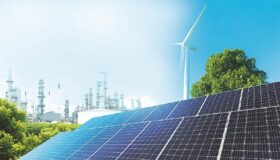
Energy transition does not reduce the region’s relevance; it changes the form of that relevance. Oil and gas remain critical to global supply, but Gulf states are also investing in renewables, hydrogen, power infrastructure, critical minerals, carbon management and AI data centres. The future energy system will require capital-intensive infrastructure. The Middle East has both the balance sheets and the strategic incentive to participate. It may finance parts of the transition even as it continues to supply traditional energy.
There are obvious risks. The region is exposed to conflict, sanctions dynamics, shipping disruptions and political volatility. Capital seeks stability, and geopolitical shocks can quickly alter investor sentiment. There is also the risk of overbuilding, especially where similar diversification projects compete for the same tourists, tenants, talent or investors. The region’s importance does not mean every project will succeed. It means global markets can no longer ignore the region’s capital decisions.
For companies, the Middle East is becoming a market, funding source and strategic base at the same time. A technology company may seek Gulf investors, sell to Gulf governments and build regional operations in the same cycle. A private-equity firm may raise capital from sovereign funds while investing in local healthcare, education or logistics. A multinational may treat Dubai or Riyadh as a headquarters platform for wider emerging-market expansion. These overlapping roles deepen the region’s relevance.
The future of global capital will be shaped by investors that can combine scale, patience and strategic intent. The Middle East has all three, though execution will determine outcomes. Its significance lies not only in wealth but in how that wealth is being redeployed. As energy revenue becomes investment power and investment power becomes institutional influence, the region is moving from the edge of global finance to one of its central corridors.
For Economic Statesman readers, the useful test is not whether the headline idea sounds attractive, but whether the underlying institutions, capital discipline and execution capacity can sustain it. Markets eventually separate durable structural change from temporary policy momentum. That is why the subject should be read through evidence, sequencing and incentives rather than through promotional language or short-term sentiment.
Nadia Al-Hassan
Nadia Al-Hassan focuses on the economics of AI, semiconductors, cloud infrastructure, cybersecurity and digital sovereignty.