
India Opens Anti-Dumping Probe Into Aluminium Imports From Four Countries
India's DGTR has opened an anti-dumping investigation into aluminium extrusion imports from four countries following complaints of price undercutting and losses among domestic producers
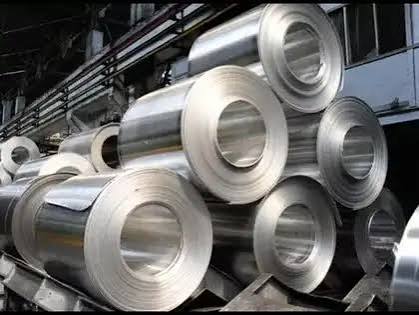

India has launched an anti-dumping investigation into aluminium extrusion products imported from China, Malaysia, Vietnam and Thailand, signalling closer scrutiny of foreign competition in a segment that supports construction, infrastructure, transport and industrial manufacturing.
The Directorate General of Trade Remedies (DGTR) initiated the investigation on November 9, 2026, following concerns raised by the Aluminium Extrusion Manufacturers Association of India (ALEMAI). The association represents 228 domestic manufacturers and has alleged that increasing imports at unfairly low prices are damaging Indian producers.
The four countries under investigation account for approximately 90% of India’s imports of the products concerned, according to Business Standard’s report on the notification.
The investigation will examine whether the imported products are being sold in India at prices below their normal value and whether these imports have caused material injury to domestic manufacturers.
The decision is important for India’s aluminium industry because extrusion products are used across several sectors, including buildings, solar energy, transportation, electrical equipment and industrial engineering.
However, the initiation of an investigation does not mean that new anti-dumping duties have already been imposed. The DGTR must examine the evidence and determine whether trade-remedy measures are justified.
Which Aluminium Products Are Under Investigation?
The investigation covers aluminium extrusion profiles, structures and articles manufactured using extruded aluminium products.
These materials are produced by forcing aluminium through specially designed dies to create specific shapes and cross-sections. The resulting products can be used in structural applications, industrial machinery and specialised equipment.
The product category includes several forms of extruded aluminium profiles, including solid, hollow and semi-hollow products, as well as bars, rods, tubes and pipes.
Finished applications can include:
- Aluminium doors and window frames
- Building façades and architectural structures
- Railings and industrial framing
- Solar mounting structures
- Heat sinks and lighting profiles
- Furniture and bicycle components
- Transport and engineering applications
The scope of the investigation is important because these products are used by manufacturers across multiple industries. Any eventual trade measure could therefore affect both domestic producers and businesses that purchase imported aluminium extrusions.
The precise product coverage and exclusions will be examined during the investigation process.
Why Indian Manufacturers Raised Concerns
ALEMAI has argued that increasing imports from the four countries have placed domestic manufacturers under pressure.
According to the DGTR notification and reporting by The Economic Times, the association alleged that imported products were undercutting domestic prices, contributing to declining profitability, financial losses and lower returns on capital employed.
The industry has also reported underutilisation of production capacity.
This is particularly relevant because the domestic aluminium extrusion industry is fragmented and includes a large number of micro, small and medium enterprises.
Smaller manufacturers often face challenges related to working capital, production technology, energy costs and the ability to compete with large international suppliers.
When imported products are available at substantially lower prices, domestic producers may struggle to maintain selling prices and operating margins.
The DGTR’s preliminary assessment indicated that the available information showed signs of injury to the domestic industry. However, the authority will need to establish the extent of dumping and injury through a detailed examination of evidence.
Four Countries Account for Most Imports
The investigation covers imports originating in or exported from China, Malaysia, Vietnam and Thailand.
Their combined share of approximately 90% of India’s imports of the investigated products makes the case significant for the domestic aluminium supply chain.
China is a major participant in global aluminium manufacturing, while Malaysia, Vietnam and Thailand are important regional suppliers.
The investigation will assess the export prices of the products, their normal values and the extent to which imported goods may have entered the Indian market at dumped prices.
It will also examine whether the increase in imports has caused injury to Indian manufacturers.
The investigation period covers April 1, 2025, to June 30, 2026. The injury assessment covers the financial years 2022–23 onwards up to June 30, 2026.
The extended investigation period allows the authority to examine recent import trends alongside the financial performance of domestic producers.
How the Anti-Dumping Investigation Works
Anti-dumping investigations are conducted under India’s trade-remedy framework and are intended to address imports sold at prices below their normal value when they cause material injury to domestic industry.
The DGTR examines information from domestic producers, exporters, importers and other interested parties.
The investigation generally involves assessing three key elements:
1. Dumping: Whether the export price of the imported product is lower than its normal value in the exporting country.
2. Injury: Whether the domestic industry has suffered material injury, including losses, declining profitability, reduced market share or underutilised capacity.
3. Causal link: Whether the injury suffered by domestic manufacturers can be attributed to the allegedly dumped imports rather than other market conditions.
In this case, the DGTR has initiated the investigation on a suo motu basis following representations from the domestic industry.
The authority will examine the available information and seek additional responses from interested parties before reaching its findings.
The process does not automatically result in duties. A final recommendation will depend on the evidence established during the investigation.
What It Could Mean for Construction and Solar Industries
The potential impact extends beyond aluminium manufacturers.
Aluminium extrusions are widely used in construction, commercial buildings, infrastructure development and renewable energy installations.
Solar mounting structures are one important application. Aluminium profiles are used in supporting systems that hold solar panels in position, making them relevant to India’s expanding renewable energy industry.
The products are also used in doors, windows, façades, transport equipment and electrical systems.
If anti-dumping duties are eventually recommended and imposed, imported products could become more expensive for Indian buyers. This may improve the competitive position of domestic manufacturers but could also increase procurement costs for businesses that depend on imported profiles.
The final impact will depend on the product categories covered, the duty rates, the countries and exporters concerned, and the availability of alternative domestic suppliers.
Manufacturers and buyers will therefore be watching the investigation closely.
What Happens Next?
The DGTR will collect information from domestic manufacturers, exporters, importers and other interested parties.
The investigation will examine import volumes, export prices, production costs, domestic selling prices and the financial performance of Indian producers.
Business Standard reported that interested parties have been given 37 days from the transmission of the relevant intimation letters to submit information and responses through the DGTR’s SETU portal.
The authority will also assess the appropriate non-injurious price and injury margin as part of its examination.
Following the investigation, the DGTR may issue its findings and recommend suitable trade-remedy action if the legal requirements are met. Any eventual duty would require the applicable government notification and implementation.
For businesses operating in the aluminium value chain, the investigation introduces a period of regulatory uncertainty. Importers may need to review sourcing arrangements, while domestic manufacturers will have an opportunity to present evidence of the competitive pressures they face.
A Test for India’s Domestic Manufacturing Policy
The investigation reflects a wider policy challenge facing India: balancing access to competitively priced imports with the need to maintain a viable domestic manufacturing base.
Imports can improve competition, support downstream industries and provide access to products that may not be available in sufficient quantities domestically. At the same time, imports found to be unfairly priced can create pressure on domestic manufacturers and discourage investment in local production.
The aluminium extrusion case will test how effectively India’s trade-remedy framework can address these competing concerns.
For domestic producers, the outcome could influence profitability, production capacity and investment decisions. For construction, infrastructure and solar companies, it could affect sourcing costs and supplier choices.
The investigation is therefore relevant not only to the aluminium industry but also to several sectors that depend on its products. Its eventual outcome will depend on whether the DGTR establishes a clear connection between alleged dumping and injury to Indian manufacturers.
Julian Reed
Julian Reed covers monetary policy, central-bank communication, inflation targeting and the wider financial signals that move markets.