
Moody’s Raises India’s FY27 Growth Forecast to 7% on Strong Domestic Demand
Moody’s upgrades India's FY27 growth outlook as domestic demand and investment strengthen despite global economic uncertainty.
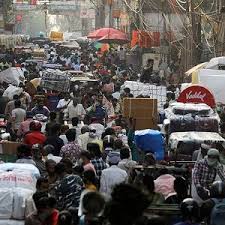

India’s economic outlook has received a fresh boost from Moody’s Ratings. The agency has raised its growth forecast for the 2026–27 financial year to 7%, up from its earlier estimate of 6.5%.
The revision reflects stronger domestic consumption, improving investment and resilient industrial activity. It also indicates that India has managed external energy pressures better than previously expected.
The assessment comes amid continuing geopolitical uncertainty and elevated international oil prices. India remains exposed to these developments because it imports a large share of its crude oil requirements.
Moody’s expects the economy to maintain growth close to 7% over the medium term. However, inflation, weather conditions and tighter monetary policy could affect this outlook.
Domestic Consumption Supports Economic Growth
Household consumption remains an important driver of India’s economic activity.
Strong consumer demand supports sectors such as retail, transport, housing, automobiles and financial services. It also encourages businesses to increase production and expand their operations.
Moody’s assessment points to broad-based economic expansion. This suggests that growth is not dependent on a single industry.
India’s large domestic market also provides some protection against external economic weakness. When global demand slows, domestic consumption can help support business activity.
However, household spending remains sensitive to food prices, fuel costs and borrowing expenses. Higher living costs can reduce disposable income and weaken demand.
Maintaining purchasing power will therefore remain important for sustaining growth.
Investment Signals a Possible New Growth Cycle
Moody’s has also identified improving investment conditions as a positive factor.
Growth in capital goods production and imports indicates stronger demand for machinery and industrial equipment. These developments can signal that companies are preparing to expand production capacity.
Industrial credit growth has also accelerated. Higher lending to businesses can support equipment purchases, infrastructure development and new projects.
Capacity utilisation is another important indicator. When factories operate closer to their production limits, companies may consider investing in additional capacity.
Together, these indicators point towards a possible recovery in private-sector investment.
This matters because government infrastructure spending has played a major role in supporting investment. Stronger private participation could broaden the sources of economic growth.
However, businesses will need confidence in future demand before committing to large projects.
India Shows Resilience Against Higher Energy Costs
Energy prices remain a significant external risk for India.
Higher crude oil prices can increase transportation expenses, manufacturing costs and the country’s import bill. They can also put pressure on inflation and the current account balance.
Moody’s noted that India has handled the energy shock linked to the Iran conflict better than expected.
The country has diversified its oil and gas supplies. State-backed oil companies and tax adjustments have also helped cushion some of the impact on consumers.
These measures have provided support during a period of international uncertainty.
However, prolonged increases in crude prices could create fresh pressure. Fuel costs affect several parts of the economy, making energy security an important factor in India’s growth outlook.
Manufacturing and Industrial Activity Add Momentum
India’s industrial sector has contributed to the positive economic assessment.
Manufacturing activity has benefited from domestic demand, infrastructure investment and expanding production capacity.
Capital goods output is particularly important because it reflects demand for machinery and equipment. Stronger activity in this segment can indicate greater confidence among industrial businesses.
The expansion of manufacturing can also create demand for logistics, engineering, financial services and other supporting industries.
India’s efforts to attract investment into electronics, automobiles, infrastructure and industrial materials could support this trend.
Yet sustained growth will depend on productivity, technology adoption and the ability of domestic manufacturers to compete internationally.
Inflation Remains a Major Risk
The improved growth forecast does not remove concerns about inflation.
Food prices, energy costs and weather conditions can influence household spending and business expenses.
Moody’s has highlighted the risks associated with a weak southwest monsoon and El Niño conditions. These factors could affect agricultural production and increase pressure on food prices.
Higher inflation would reduce the purchasing power of households. It could also make monetary policy more restrictive.
The Reserve Bank of India raised the policy repo rate by 25 basis points to 5.50% in October 2026. The decision reflected concerns about the inflation outlook and emerging price pressures.
Higher interest rates can help contain inflation. However, they may also increase borrowing costs for households and businesses.
The balance between controlling prices and supporting economic activity will remain important for monetary policymakers.
What the Forecast Means for Businesses and Investors
A 7% growth forecast reinforces India’s position as one of the major growth economies.
For businesses, stronger domestic demand can support expansion plans and new investment. Companies operating in consumer goods, infrastructure, manufacturing and financial services may benefit from sustained economic activity.
Investors may also view the revised outlook as a positive signal. Stronger growth expectations can improve confidence in corporate earnings and long-term business opportunities.
However, economic growth does not guarantee higher market returns. Valuations, interest rates, corporate profitability and global financial conditions remain important.
Companies must also account for inflation and financing costs when making investment decisions.
The Road Ahead for India’s Economy
Moody’s revised forecast reflects confidence in India’s domestic economic foundations. Consumption remains supportive, investment indicators are improving and industrial activity continues to contribute to growth.
However, the outlook remains sensitive to external energy prices and domestic inflation.
Weather-related risks could affect agriculture and household demand. Higher borrowing costs could also slow private investment if monetary conditions tighten further.
India will need to maintain investment momentum while strengthening its energy security and managing price pressures.
The revised 7% forecast is a positive assessment of the country’s economic resilience. Its long-term significance will depend on whether stronger consumption translates into productive investment, employment and sustained income growth. India has demonstrated the ability to absorb external shocks, but maintaining that momentum will require stable prices and continued improvements in industrial productivity.
Samir Kapoor
Samir Kapoor covers the global economy, cross-border capital, growth signals and the institutions shaping economic change.