
Odisha Removes Pension Quota System, Adds 5.05 Lakh Beneficiaries
Odisha removes beneficiary quotas under MBPY, expands pension coverage and launches a unified digital pension management portal.
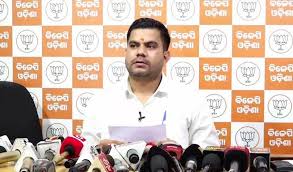

Odisha has expanded its social security pension programme by removing a quota system that restricted access for eligible applicants. The state government has added 5,05,817 beneficiaries to the Madhu Babu Pension Yojana (MBPY), taking total coverage to 41,80,825 people.
Chief Minister Mohan Charan Majhi announced the expansion at a state-level programme in Balasore on November 10. He also launched the Unified Pension Management Portal (UPMP) to simplify applications, verification and pension payments.
The expansion requires an additional annual expenditure of ₹625 crore from the state budget. The government has described the move as an effort to ensure that eligible elderly people and other vulnerable groups do not lose access to social security because of administrative limits.
Odisha Abolishes the Pension Quota System
Under the earlier arrangement, the government maintained fixed beneficiary quotas at state and district levels.
Even when applicants met the eligibility requirements, they could not always receive pensions immediately. They often had to wait until an existing beneficiary left the scheme and a vacancy became available.
The system created long waiting periods for elderly people, widows, persons with disabilities and economically vulnerable individuals.
The state government has now abolished these restrictions. Eligibility, rather than the availability of a vacant beneficiary slot, will determine access to the scheme.
The latest expansion fulfils a commitment made in Odisha’s 2026–27 Budget to bring more eligible people under the social security programme.
Pension Coverage Crosses 41.8 Lakh Beneficiaries
The addition of 5,05,817 people has increased MBPY coverage to 41,80,825 beneficiaries.
Before the expansion, approximately 36.75 lakh people received pensions under the programme.
The additional beneficiaries will require around ₹625 crore in annual government expenditure.
The expansion is significant because pension support provides a regular source of income for people who may have limited earning opportunities.
For elderly citizens and persons with disabilities, even a modest monthly payment can help meet essential household expenses.
The state has presented the expansion as a move towards comprehensive coverage of eligible beneficiaries under the scheme.
New Unified Pension Management Portal Launched
The government has introduced the Unified Pension Management Portal to improve the administration of pension services.
Eligible applicants can submit their applications online through the portal. They can also seek assistance from Common Service Centres and Block Development Officer offices.
The system is intended to simplify application processing, verification and payment management.
Under the announced arrangement, approved applicants will begin receiving pension benefits from the month following approval of their applications.
The government also plans to use the portal to improve transparency and reduce administrative delays.
A digital application system could make pension services more accessible, particularly for people living outside major urban centres.
However, its effectiveness will depend on reliable verification, accessible support services and timely processing of applications.
Monthly Pension and Benefits for Senior Citizens
The Madhu Babu Pension Yojana supports elderly people, widows, persons with disabilities and other eligible vulnerable groups.
The government has also clarified the procedure for beneficiaries who become eligible for a higher pension after reaching 80 years of age.
They will automatically receive the enhanced monthly pension of ₹3,500 without submitting a fresh application.
This provision is intended to reduce paperwork and prevent delays when beneficiaries move into the higher age category.
Newly enrolled beneficiaries are also scheduled to receive their October and November pension payments together.
From December onwards, regular monthly pension payments will be made on the 15th of each month.
What the Expansion Means for Odisha’s Budget
The additional ₹625 crore annual expenditure represents a recurring commitment for the state government.
Unlike one-time development spending, pension payments create a continuing financial obligation.
The government will need to provide sufficient budgetary support every year to maintain the expanded beneficiary base.
The increase also highlights the importance of accurate beneficiary records and efficient payment systems.
A well-managed pension programme can reduce administrative costs and improve the delivery of public assistance.
However, the state must ensure that eligible people receive their payments on time and that public funds reach the intended beneficiaries.
The Challenge of Delivering Social Security at Scale
Expanding pension coverage is only one part of the implementation process.
The government must maintain accurate records, verify eligibility and prevent duplicate or incorrect payments.
Digital systems can support these activities, but some beneficiaries may have limited access to smartphones, internet services or digital documentation.
Common Service Centres and local administrative offices will therefore remain important for people who need assistance.
The state must also ensure that applicants can track their applications and resolve payment-related problems without unnecessary delays.
These measures will determine whether the removal of quotas translates into effective access to social security.
A Wider Shift Towards Inclusive Welfare Delivery
Odisha’s decision changes the way pension eligibility translates into actual government assistance.
Under the earlier system, eligible applicants could remain outside the programme because of fixed beneficiary limits. The new arrangement removes that restriction and expands the scheme’s coverage.
The addition of more than five lakh beneficiaries is a substantial administrative and financial commitment.
The new portal also introduces a digital mechanism for applications and pension management.
The success of the reform will depend on timely payments, reliable records and continued budgetary support. Odisha has removed an important administrative barrier, but its lasting impact will be measured by whether every eligible beneficiary can access the pension without unnecessary delays.
Julian Reed
Julian Reed covers monetary policy, central-bank communication, inflation targeting and the wider financial signals that move markets.