ECB Moves to Expand Euro Liquidity Access as Europe Seeks Greater Global Financial Influence
The ECB plans to make euro swap arrangements more accessible, giving foreign central banks greater access to liquidity and supporting Europe's financial influence.
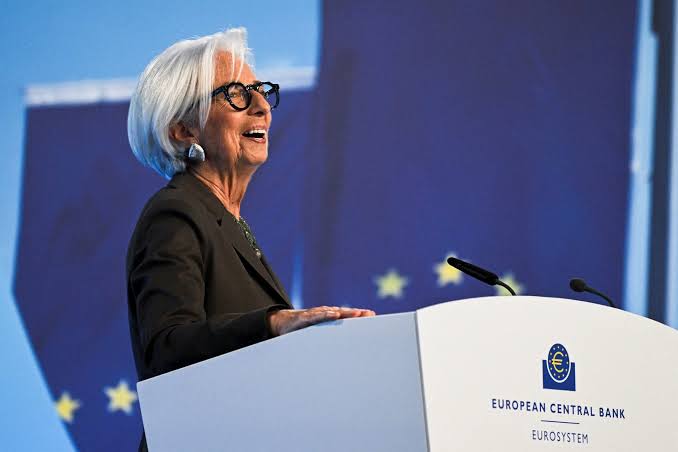

Christine Lagarde says the European Central Bank will make euro swap arrangements more accessible, strengthening Europe’s financial resilience and the international role of its currency.
The European Central Bank (ECB) is moving to make its currency swap arrangements with other central banks more accessible. The initiative aims to protect European financial markets from external shocks while strengthening the euro’s position in the international monetary system.
ECB President Christine Lagarde outlined the approach on 20 November at the Frankfurt European Banking Congress. She said the central bank was adapting its international liquidity arrangements to a more fragmented global economy.
The announcement comes as policymakers reassess the risks of depending heavily on a single international reserve currency. Uncertainty surrounding global trade, geopolitical tensions and financial markets has increased interest in diversifying international currency holdings.
For Europe, expanding access to euro liquidity is not simply a financial support measure. It is also part of a wider effort to increase the international influence of the single currency.
ECB Wants to Make Euro Swap Lines More Accessible
Currency swap lines are agreements between central banks that allow them to exchange currencies when financial markets experience stress.
Under these arrangements, a foreign central bank can obtain euros from the ECB in exchange for its own currency. It can then provide euro liquidity to financial institutions in its domestic market.
This mechanism becomes important when banks and businesses struggle to obtain foreign currency during periods of financial uncertainty.
The ECB already maintains swap arrangements with major central banks, including the US Federal Reserve and the People’s Bank of China.
Lagarde said the ECB wants to make its swap arrangements more accessible as international financial relationships change. The main objective is to prevent funding problems outside the euro area from spreading into European financial markets.
Why Euro Liquidity Matters to European Markets
European banks, companies and investors operate across international markets. Many businesses borrow, trade and invest in currencies other than their domestic currency.
When financial markets become unstable, access to foreign currency can become expensive or difficult. Banks may struggle to secure euros to meet payment obligations, finance trade or maintain their balance sheets.
A shortage of euro liquidity outside the currency bloc can also affect European financial institutions.
For example, a bank operating outside the euro area may hold euro-denominated assets but struggle to obtain euros during a market disruption. It may then sell those assets quickly to raise cash. Such forced sales can put pressure on bond prices and spread financial stress to other investors.
Reliable liquidity arrangements can reduce this risk.
The ECB sees international liquidity support as a way to protect financial stability and maintain the smooth transmission of monetary policy across the euro area.
EUREP Facility Gives Foreign Central Banks Another Route to Euros
The swap-line initiative builds on the ECB’s expanded Eurosystem Repo Facility for Central Banks, known as EUREP.
The facility allows eligible central banks outside the euro area to borrow euros against high-quality euro-denominated collateral.
The updated framework provides standing access in principle to a broad range of foreign central banks, subject to eligibility and risk requirements.
Each participating central bank can access up to €50 billion in euro liquidity. Individual transactions generally have maturities ranging from one day to one week, with the possibility of extension.
The ECB has said that more than 30 central banks have expressed interest in the expanded facility. The onboarding of the first foreign central banks was completed in early October 2026.
EUREP is designed to provide temporary liquidity during periods of market stress. It can also give foreign reserve managers greater confidence when holding euro-denominated securities.
However, the facility requires eligible euro-denominated collateral. Currency swap arrangements can complement it because they may operate against local-currency collateral, subject to the terms of individual agreements.
Together, these mechanisms give the ECB a broader framework for supporting international euro liquidity.
Europe Wants a Stronger Role in the Global Monetary System
The euro is already one of the world’s most important reserve and transaction currencies. However, the US dollar continues to dominate many areas of international finance, including foreign exchange reserves, global payments and financial markets.
The ECB’s latest move reflects Europe’s interest in strengthening the international role of its currency.
A wider network of liquidity arrangements could make the euro more attractive to foreign central banks and financial institutions.
Reserve managers may be more willing to hold euro-denominated bonds if they know they can access liquidity during a crisis.
This could support demand for European government and other high-quality euro-denominated securities. It may also help European companies and financial institutions by improving access to euro funding in international markets.
However, expanding liquidity access does not automatically make the euro a replacement for the dollar. The international position of a currency also depends on market depth, financial stability, investor confidence and the availability of liquid assets.
The Dollar’s Dominance Faces a Changing Financial Environment
The ECB’s announcement comes during a period of growing debate about the international monetary system.
Investors have been assessing the effects of US economic policy uncertainty and rising public debt on the dollar’s long-term position.
These developments have encouraged discussions about currency diversification among central banks and institutional investors.
However, the dollar continues to benefit from its extensive use in global trade, financial contracts and international borrowing.
The euro has its own structural limitations. European financial markets remain divided across national jurisdictions, and the supply of highly liquid euro-denominated assets is not as uniform as the US Treasury market.
The ECB’s liquidity initiatives could help address part of this challenge by making euro assets more attractive to international reserve managers.
The objective is not necessarily to displace the dollar immediately. It is to make the euro a more reliable option within a diversified international financial system.
Foreign Central Banks Could Increase Their Holdings of Euro Assets
The ECB’s liquidity strategy could influence how foreign central banks manage their reserves.
Central banks typically hold foreign currencies to support exchange-rate management, meet international payment requirements and protect their economies against external shocks.
When reserve managers consider purchasing government bonds, they also assess how easily those securities can be converted into cash during a crisis.
Access to euro liquidity can make euro-denominated securities more attractive.
The ECB has argued that reliable liquidity arrangements reduce the need for reserve managers to sell assets quickly during market stress.
This could support demand for European bonds and improve liquidity across different parts of the euro-area debt market.
It may also benefit countries whose government bond markets are smaller or less liquid than those of Europe’s largest economies.
However, actual changes in reserve allocations will depend on investor decisions, market conditions and the credibility of the ECB’s arrangements.
Financial Stability Remains the Main Priority
The ECB has presented its liquidity strategy as a way to limit financial instability.
If foreign financial institutions face a shortage of euros, the pressure can spread through international banking relationships and affect European markets.
Providing access to emergency liquidity can reduce the risk of forced asset sales and sudden funding disruptions.
However, central banks must manage these facilities carefully.
Liquidity support involves financial exposure and requires safeguards to protect public institutions. The ECB therefore applies eligibility requirements, collateral standards and risk-management conditions to its facilities.
Swap arrangements also require careful assessment because they can involve greater financial risks than collateralised repo facilities.
The central bank must ensure that access remains a safety net during periods of stress rather than a routine source of cheap financing.
What the Move Means for Global Businesses and Investors
A stronger international euro liquidity network could have several implications for businesses and financial markets.
European companies operating internationally may benefit from more stable euro funding conditions. Banks could also find it easier to manage currency-related liquidity risks during periods of market disruption.
For foreign investors, greater confidence in access to euro liquidity could improve the attractiveness of euro-denominated bonds.
Emerging economies with significant trade and financial links to Europe may also benefit from improved access to euro funding, provided their central banks qualify for the relevant arrangements.
However, the impact will depend on which institutions receive access, the conditions attached to the facilities and how frequently they are used.
For businesses, the immediate effect is unlikely to be a direct reduction in borrowing costs. The more important benefit would be a stronger financial safety net during periods of international stress.
Europe’s Currency Strategy Enters a New Phase
The ECB’s decision to make euro swap arrangements more accessible signals a broader shift in Europe’s international financial strategy.
The central bank wants to protect its domestic economy from external funding disruptions while increasing confidence in the euro as a global financial asset.
Its expanded EUREP facility already provides a wider route for foreign central banks to obtain euros against eligible collateral. More accessible swap arrangements could complement that framework.
The long-term success of this strategy will depend on more than liquidity facilities. Europe will also need deep financial markets, credible institutions, stable economic policies and a stronger supply of attractive euro-denominated assets.
For now, the ECB is taking steps to make the euro more useful during financial stress. In an increasingly fragmented global economy, access to reliable liquidity could become an important source of international financial influence.
Samir Kapoor
Samir Kapoor covers the global economy, cross-border capital, growth signals and the institutions shaping economic change.