How the United States Uses Financial Infrastructure as Power
A source-led Economic Statesman explainer on how the united states uses financial infrastructure as power, written for readers tracking united states, policy, markets and capital.
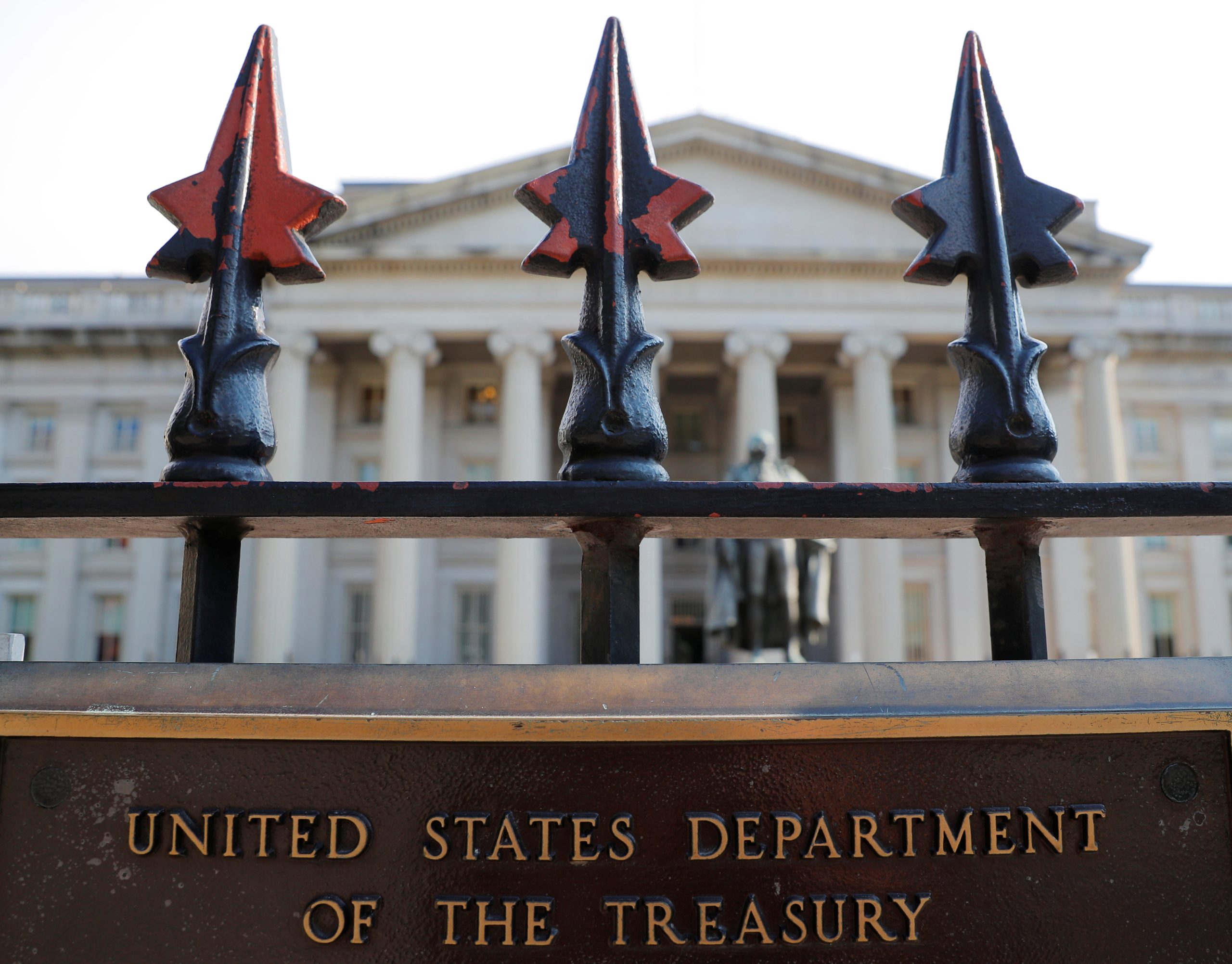

The United States uses financial infrastructure as power because much of global finance touches systems influenced by American law, markets or institutions. The dollar, correspondent banking, payment channels, securities markets, sanctions compliance and Treasury assets form a network that is both commercial and strategic. In normal times, it enables transactions. In moments of conflict or pressure, it can become leverage.
This power is different from traditional military or diplomatic influence. It works through access. A bank needs clearing relationships. A company needs payment channels. A sovereign may need dollar funding or reserve assets. A trader may need insurance and settlement. If access to these systems is restricted, the economic consequences can be severe even without physical force.
Sanctions are the most visible expression. By limiting transactions with specific individuals, companies, banks or governments, the United States can raise the cost of certain behaviour. The effectiveness often comes from the fear of secondary consequences. Global firms may avoid sanctioned exposure not only because of direct legal risk, but because they do not want to lose access to the US financial system.
The power also sits in standards. Compliance rules, anti-money-laundering requirements, reporting obligations and investment-screening frameworks influence how global institutions behave. Even firms outside the United States may adapt internal systems to avoid conflict with American rules. Financial infrastructure extends jurisdiction through networks of necessity and caution.
This does not mean the system is uncontested. Countries exposed to US financial pressure look for alternatives: local-currency trade, regional payment systems, gold reserves, digital settlement experiments and new banking channels. These efforts can reduce vulnerability in specific corridors. But building a full alternative to the depth, liquidity and trust of the dollar system remains a formidable challenge.
The credibility problem inside financial power
Powerful infrastructure depends on trust. If access is seen as stable, rules-based and predictable, users remain willing to participate. If access is seen as arbitrary or excessively politicised, users search for protection. The United States must therefore balance the use of financial power with the need to preserve the system’s attractiveness. Dominance can be weakened if users conclude that the network is too risky.
Private companies sit at the front line. Banks, payment processors, insurers, law firms, logistics companies and technology platforms often enforce restrictions in practice. They must interpret rules, screen counterparties and manage reputational risk. Financial statecraft therefore becomes part of corporate compliance and board-level risk management.
For allies, US financial infrastructure can provide collective leverage. Coordinated sanctions and asset restrictions can be more effective when major financial centres act together. For neutral or non-aligned economies, the same infrastructure can feel like exposure to decisions made elsewhere. The politics of financial power is therefore shaped by both legitimacy and reach.
The most effective financial measures often work through anticipation. Firms may change behaviour before a formal penalty because they fear future exposure. This anticipatory compliance can extend the reach of policy, but it can also produce over-compliance that blocks legitimate trade. The wider the network, the harder it is to control every second-order effect.
Financial infrastructure also shapes diplomacy. Allies may coordinate restrictions when they share strategic objectives, but they may differ on timing, scope or economic cost. The United States has greater influence when measures are multilateral because targets have fewer alternative channels. Unilateral measures can still matter, but their legitimacy and durability may be more contested.
The long-term question is whether financial power encourages the building of parallel systems. Every use of infrastructure as leverage teaches other countries where they are vulnerable. Some will accept the cost because the existing system remains efficient. Others will invest in alternatives for strategic insurance. The future will likely be less about full replacement and more about selective redundancy.
Because American markets function as reference markets, the domestic and international readings cannot be separated. A policy decision may be aimed at households, banks or companies inside the United States, but global investors compare every other opportunity against the yield, liquidity and legal architecture available in America. This is why a change in Washington or New York can quickly become a pricing issue for projects, currencies and balance sheets elsewhere.
The wider implication is that US economic power is often exercised through systems rather than declarations. Treasury markets, bank regulation, venture capital, industrial incentives and payment infrastructure create incentives that other countries and companies must navigate. The question for serious readers is not whether America matters, but through which channel it matters in a given moment: rates, liquidity, regulation, demand, technology or sanctions exposure.
Readers should watch the machinery, not only the announcements. The real power lies in clearing, custody, correspondent banking, reserve assets, legal risk and compliance behaviour. The United States can use financial infrastructure as power because the world uses that infrastructure to do business. The strategic question is how long that dependence remains comfortable enough for users to stay.
Victor Ames
Victor Ames writes on market structure, capital flows, investment cycles and the way financial conditions transmit into the real economy for Economic Statesman.