Global Economy
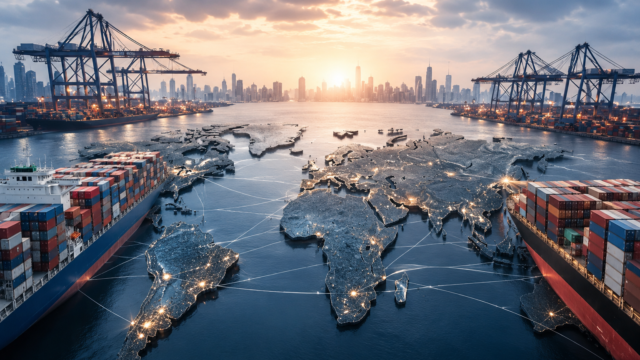
How Trade Fragmentation Is Rewriting the Global Economy
Trade fragmentation is not the end of globalisation. It is the rewriting of global commerce around risk, resilience, political alignment and strategic control.


Trade fragmentation is not the end of globalisation. It is the rewriting of global commerce around risk, resilience, political alignment and strategic control.

Middle East aviation is no longer only about airlines; it is a national strategy for connectivity, tourism, logistics and economic positioning.

The UAE's rise as a capital hub reflects decades of investment in institutions, ports, aviation, financial centres and business-friendly regulation.

Economic security is changing corporate strategy by forcing companies to manage supply, sanctions, data, technology and political exposure.

Trade corridors become diplomatic instruments when infrastructure, logistics and finance connect countries into strategic economic routes.

Governments increasingly use public capital, guarantees and sovereign investment to shape sectors tied to security and competitiveness.
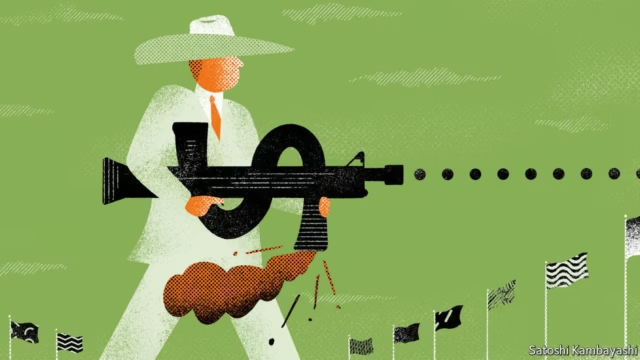
Sanctions have evolved from narrow diplomatic pressure into a major instrument of financial, trade and technological power.

Economic statecraft is the use of trade, finance, investment, technology and sanctions to pursue national strategic objectives.

A source-led Economic Statesman explainer on how economic forecasts should be read in a fragmented world, written for readers tracking world economy, policy, markets and capital.
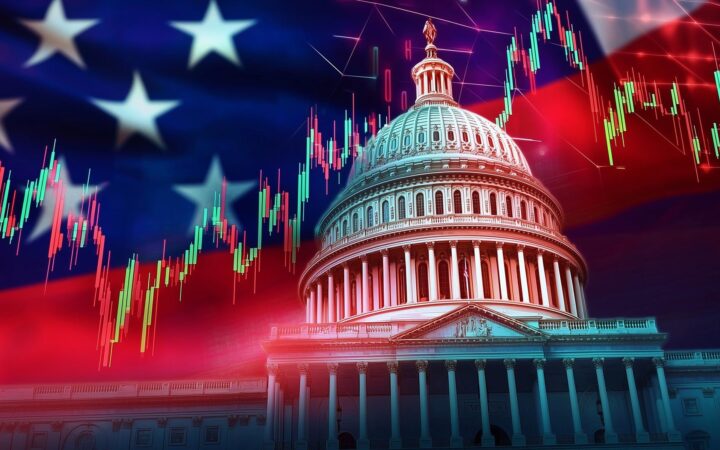
A source-led Economic Statesman explainer on how washington fiscal policy moves far beyond america, written for readers tracking united states, policy, markets and capital.