
India Weighs a 2% Platform Levy to Fund Social Security for Gig Workers
A proposed contribution from digital aggregators could help finance insurance, healthcare and maternity benefits for India's growing gig workforce.
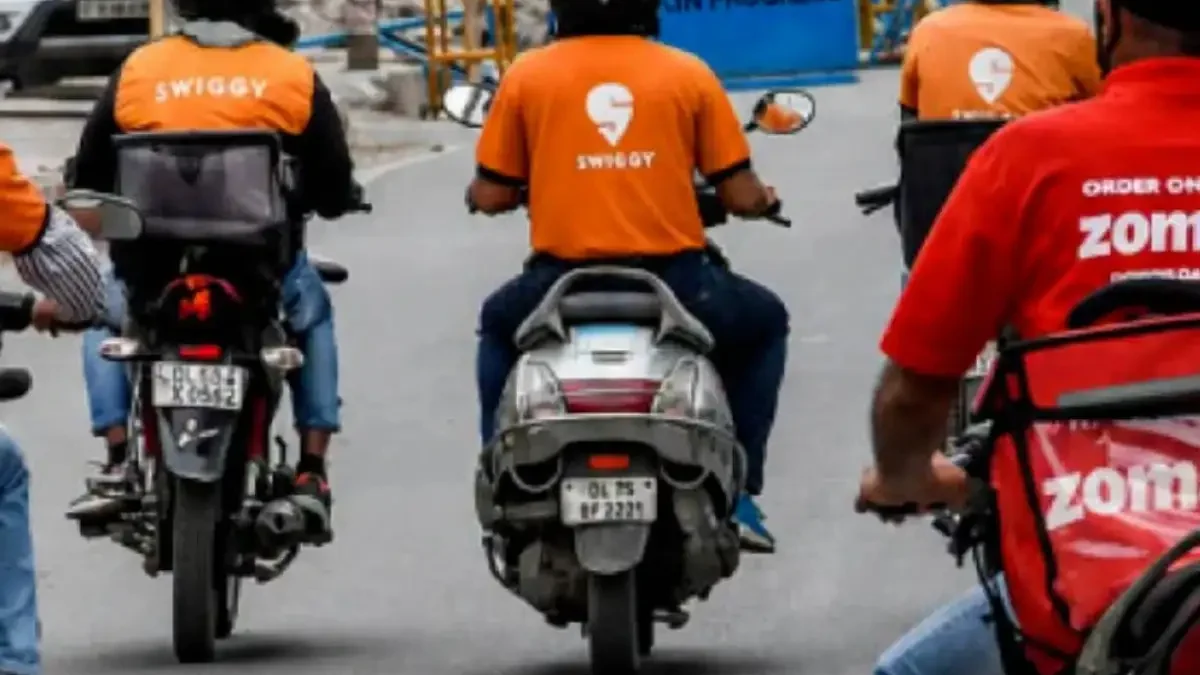

How a proposed contribution from digital aggregators could finance insurance and healthcare benefits for millions of delivery, mobility and platform workers—and why the funding formula matters.
India’s rapidly expanding platform economy is facing an important policy question: who should finance social security for workers whose income depends on app-based assignments rather than conventional employment?
The government is considering a 2% transaction-linked levy on digital aggregators to finance benefits for gig and platform workers. The proposal could cover more than 12 million workers engaged in delivery, ride-hailing, logistics and other platform-based services.
The Economic Times reported on November 4 that the government favours calculating the proposed contribution against transactions or revenue directly attributable to gig-related business. This approach could replace a broader turnover-based calculation in the proposed scheme.
The National Social Security Board is expected to discuss the framework later in November. The government is considering a possible launch in 2027.
The proposal is significant because it could establish a dedicated funding mechanism for workers who often lack the insurance and employment protections associated with conventional jobs.
Why Gig Workers Need a Different Social Security Framework
India’s platform economy has expanded across food delivery, online shopping, passenger transport, home services and logistics.
Companies increasingly depend on independent workers to complete customer orders and provide services. These workers may choose their working hours and engage with multiple platforms.
However, flexibility often comes with financial uncertainty.
A delivery worker may earn different amounts each month depending on the number of assignments, customer demand, incentives and platform policies. A driver may face income losses during illness or after an accident. Workers may also lack employer-sponsored health insurance and paid leave.
Traditional social security arrangements are generally structured around regular employment relationships. Platform work does not always fit neatly into that model.
The government is therefore attempting to create a system that recognises the specific employment and income characteristics of gig workers.
What Is the Proposed 2% Levy?
The proposal under consideration would require eligible digital aggregators to contribute towards a social security fund.
According to the November 4 report, the government is considering a 2% charge linked to transactions rather than the entire turnover of a platform company.
The reasoning is that different aggregators operate under different business models. Their reported turnover may include amounts that do not directly represent revenue earned from gig-related activity.
A transaction-linked approach could make the contribution more closely connected to the economic activity that generates platform work.
For example, a food delivery platform, a ride-hailing company and a logistics aggregator may calculate their revenue differently. A common turnover-based formula could therefore create different financial effects across businesses.
A transaction-based approach may help address this concern, although its final calculation method remains undecided.
An important legal distinction: Section 114(4) of the Code on Social Security, 2020 provides for an aggregator contribution of at least 1% and no more than 2% of annual turnover, subject to a ceiling of 5% of the amount paid or payable to gig and platform workers. The reported transaction-linked proposal is still under consideration. It should not be confused with an already notified replacement of the statutory formula.
What Benefits Could Workers Receive?
The proposed scheme is expected to prioritise protection against immediate financial and health-related risks.
The benefits under consideration include:
- Life insurance: Financial protection for eligible workers’ families in the event of death.
- Disability coverage: Support when a worker becomes unable to earn because of a qualifying disability.
- Accident insurance: Protection against injuries arising from work-related incidents.
- Healthcare: Access to medical support and health-related benefits.
- Maternity benefits: Financial and healthcare assistance for eligible women workers.
Pension, provident fund and other old-age benefits may be considered in a later phase.
The government is reportedly considering these benefits separately because long-term retirement protection requires a sustainable funding structure and a clear understanding of workers’ association with platforms.
The final scheme will need to specify coverage limits, claim procedures, eligibility conditions and the institutions responsible for delivering benefits.
How Many Workers Could Be Covered?
The scale of India’s gig economy makes the proposal particularly important.
The Economic Times reported that India’s gig workforce grew by 55%, reaching approximately 12 million workers in FY2025–26 from 7.7 million in FY2020–21.
These workers operate across different segments of the platform economy.
Food delivery workers transport meals and groceries. Ride-hailing drivers provide passenger services. Logistics workers move parcels and commercial goods. Home-service professionals offer cleaning, repairs and other services through digital platforms.
Their working arrangements differ, but many share similar financial risks.
The number of workers covered by the proposed scheme will depend on registration, work-duration requirements and the final eligibility rules.
A large workforce figure does not automatically mean every person registered on a platform will qualify for every benefit.
The 90-Day and 120-Day Eligibility Requirements
The Social Security Code includes work-duration conditions for gig and platform workers.
Under the applicable framework, a worker generally needs at least 90 days of engagement with a single aggregator during a financial year.
For workers associated with multiple aggregators, the cumulative requirement is 120 days.
These conditions are important because platform workers often move between companies or use several applications to generate income.
A person might deliver food for one platform on certain days and work for a logistics or passenger transport service on others.
The cumulative eligibility provision recognises this pattern, although the final scheme will need reliable records to verify work periods.
Digital registration and accurate reporting by aggregators will therefore play an important role in determining access to benefits.
Why Aggregators Are Concerned About the Funding Formula
Digital platforms operate with different revenue structures.
A ride-hailing company may collect a service fee or commission from each completed trip. A food delivery platform may earn delivery charges, restaurant commissions and other service-related revenue. A logistics aggregator may use a different pricing arrangement.
Applying the same percentage to total reported turnover could produce different effects across these businesses.
This is why the government is considering a contribution linked more directly to gig-related transactions.
For aggregators, the final formula will influence operating costs and financial planning.
Companies will need clarity on which transactions qualify, how revenue should be calculated and whether taxes, refunds, discounts or other adjustments are included.
The government will also need an effective reporting and verification mechanism to ensure that contributions are collected accurately.
Could the Levy Affect Customers and Workers’ Earnings?
One of the biggest questions is whether aggregators will absorb the additional contribution or pass some of the cost to other participants.
Digital platforms could respond in several ways.
They may absorb the cost through lower margins. They may adjust service charges or commission structures. Some could review incentives and promotional spending.
However, the final effect will depend on competition, demand and the financial position of individual platforms.
A higher operating cost does not automatically mean that customer prices will increase or worker payouts will decline.
The government will need to monitor how companies respond after implementation. The objective should be to fund social security without creating unintended pressure on workers’ earnings or making platform services unnecessarily expensive.
The National Social Security Board’s Role
The National Social Security Board is expected to play a central role in shaping the proposed arrangement.
The board is intended to help finalise the scheme and oversee its implementation.
Its responsibilities will be important because the framework involves several groups with different interests.
Government representatives will need to establish funding and eligibility rules. Aggregators will be concerned about the cost and administrative requirements. Worker representatives will focus on benefit adequacy, access and fair treatment.
The board’s discussions will therefore influence how the proposed system balances financial sustainability with worker protection.
The exact benefit structure and contribution mechanism will become clearer after the government completes the policy process and issues the relevant notifications.
How India’s Approach Fits Into the Wider Platform Economy
The debate reflects a broader international challenge.
Governments across several economies are examining how social protection should apply to workers who earn through digital platforms.
Traditional employment systems generally link benefits to employers and formal payroll arrangements. Platform work can involve multiple companies, changing work schedules and income that varies from assignment to assignment.
India’s proposed framework attempts to address this problem by placing a funding responsibility on aggregators.
The approach could help create a more structured social security system for a growing segment of the workforce.
However, its effectiveness will depend on how easily workers can access benefits. Registration alone is not enough. Workers must understand the scheme, meet its conditions and receive support when they need it.
What to Watch Before the 2027 Rollout
The coming weeks will be important for understanding how the proposal develops.
Businesses, workers and investors should watch several areas:
- Contribution calculation: Whether the government adopts the proposed transaction-linked formula or retains the statutory turnover-based framework.
- Eligible aggregators: Which platform companies will be covered by the final rules.
- Worker eligibility: How the 90-day and 120-day conditions will be verified.
- Benefit design: The coverage limits for insurance, healthcare, disability and maternity support.
- Funding administration: Which institution will collect contributions and manage payments.
- Implementation timeline: Whether the government confirms the proposed 2027 launch.
The government will also need to ensure that the scheme works for workers who use multiple platforms or operate in smaller cities and regional markets.
India’s proposed gig-worker levy marks an important step in the debate over social security in the digital economy. A dedicated funding mechanism could extend protection to millions of workers who operate outside conventional employment arrangements. But the success of the proposal will depend on more than the contribution rate. Clear eligibility rules, transparent fund management and accessible benefits will determine whether the scheme provides meaningful protection. The challenge is to build a system that supports workers while remaining workable for the businesses that sustain India’s expanding platform economy.
Farah Siddiqui
Farah Siddiqui writes on Gulf capital, sovereign wealth funds, Middle East diversification and the region’s role in global finance.