
India’s Tea Industry Seeks Minimum Sustainable Price as Costs Surge
Five tea industry associations have backed a Tea Board panel’s proposal for a minimum sustainable price to address rising costs and protect growers.
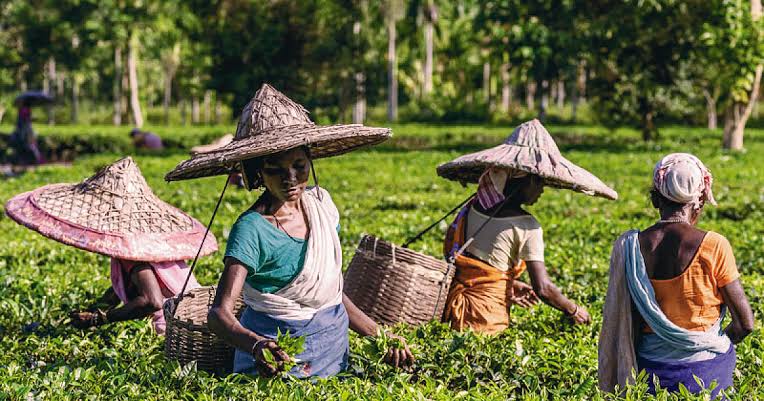

Tea producers want a cost-linked price benchmark to protect growers, support plantation wages and encourage long-term investment.
India’s tea industry is seeking a new pricing framework as rising production costs continue to outpace the prices received by growers. Five major industry associations have backed a government-appointed committee’s recommendation to introduce a Minimum Sustainable Price (MSP) for tea. They have urged the Union Commerce Ministry to adopt the proposal.
The recommendation comes at a difficult time for tea producers. Industry representatives say tea prices have increased by around 2–3% annually, while input costs have risen by an estimated 10–14%. This gap has put pressure on plantation finances, growers’ incomes and investment in tea production.
The proposed mechanism aims to link tea prices more closely to the cost of producing the crop. It could provide greater financial stability to organised tea estates, small growers and factories that purchase fresh tea leaves for processing.
Tea Board Committee Proposes a Cost-Linked Price Benchmark
The Tea Board of India constituted a 10-member committee in July 2026 to examine the growing gap between production costs and market prices.
The committee has recommended a benchmark based on a composite index. This would reflect changes in wages and the Consumer Price Index (CPI). It has also proposed periodic reviews so the benchmark can respond to inflation and changing production expenses.
The Tea Board has submitted its recommendation to the Commerce Ministry for consideration. However, the government has not yet announced its decision.
A separate report has indicated that the committee recommended a price increase of around 30% using the average auction price of 2025 as its reference. The proposed framework remains subject to government consideration.
Rising Labour Costs Put Pressure on Plantations
Labour remains the biggest expense for tea producers. Industry associations estimate that it accounts for around 60% of total production costs.
Any increase in plantation wages can therefore have a significant effect on the financial position of tea estates. Producers also expect further wage-related pressure as governments move towards notifying floor wages under the Code on Wages.
The industry says existing price realisations have not kept pace with these rising obligations. This has made it harder for producers to maintain operations, meet employment-related costs and invest in plantation improvements.
A sustainable pricing framework could help producers plan for wage revisions. It may also support spending on replanting, productivity improvements and better-quality tea.
Small Growers Face a Wider Supply-Chain Challenge
India produces approximately 1,350–1,400 million kilograms of tea each year. Small tea growers contribute around 55% of this output, making their financial position important to the wider industry.
Many small growers sell freshly harvested green leaves to bought-leaf factories. These factories process the leaves into finished tea, which then enters auction channels and other sales networks.
The economics of this arrangement depend on the prices received at each stage. When the selling price of processed tea does not cover production and processing costs, factories may face pressure to reduce the amount they pay growers for fresh leaves.
A minimum sustainable price could help address this pressure by improving price visibility across the supply chain. However, its effectiveness will depend on how the benchmark is calculated and applied.
Industry representatives have also stressed that the framework must recognise regional differences. Tea-growing areas vary in climate, productivity, labour requirements and operating costs. A single national benchmark may not reflect these differences accurately.
Industry Associations Seek Early Government Action
Five associations have supported the committee’s recommendation: the Indian Tea Association, Tea Association of India, United Planters’ Association of Southern India, Confederation of Indian Small Tea Growers Associations and Federation of Indian Tea Manufacturers Association.
They want the Commerce Ministry to notify the proposed framework at the earliest. Their position is that better price realisation would help producers absorb higher costs and maintain the financial viability of tea gardens.
The associations have also highlighted the importance of protecting small growers and bought-leaf factories. Both groups play a central role in the supply chain, particularly in regions where small farms supply leaves to local processing units.
The proposal, however, should not be confused with the conventional Minimum Support Price used for several agricultural commodities. The tea industry’s proposal focuses on establishing a sustainable price benchmark. It does not automatically mean that the government would purchase tea at a guaranteed rate.
What the Proposal Could Mean for Investment and Consumers
A stable pricing mechanism could improve the ability of tea producers to plan long-term investments. Plantation businesses often need sustained spending on replanting, worker facilities, machinery and productivity improvements. Weak price realisations can delay these investments.
Small growers could also benefit if a better benchmark improves the prices factories offer for green leaves. But the outcome will depend on whether the mechanism reaches transactions across the supply chain.
The impact on consumers remains uncertain. A higher benchmark could influence procurement and auction prices, but the final retail effect would depend on market competition, processing costs, brand margins and distribution expenses.
The government will also need to consider how the framework affects different producers. Large estates, small growers and bought-leaf factories operate with different cost structures. A workable system must account for these differences without creating distortions in the market.
Government Decision Will Shape the Next Phase
The Tea Board committee’s recommendation has brought the issue of producer profitability into focus. The industry now awaits the Commerce Ministry’s response.
The central challenge is to create a pricing framework that reflects real production costs while preserving the competitiveness of Indian tea. Its design will matter as much as its headline price benchmark. Regional adjustments, transparent calculations and regular reviews could determine whether the proposal delivers lasting benefits.
For India’s tea sector, the debate is no longer limited to auction prices. It concerns the financial sustainability of plantations, the income of small growers and the industry’s ability to invest in future production. A carefully designed minimum sustainable price could offer support, but its success will depend on implementation and market response.
Samir Kapoor
Samir Kapoor covers the global economy, cross-border capital, growth signals and the institutions shaping economic change.