
How Export Controls Are Reshaping Technology Supply Chains
Export controls are changing technology supply chains by restricting access to advanced inputs, equipment and know-how.
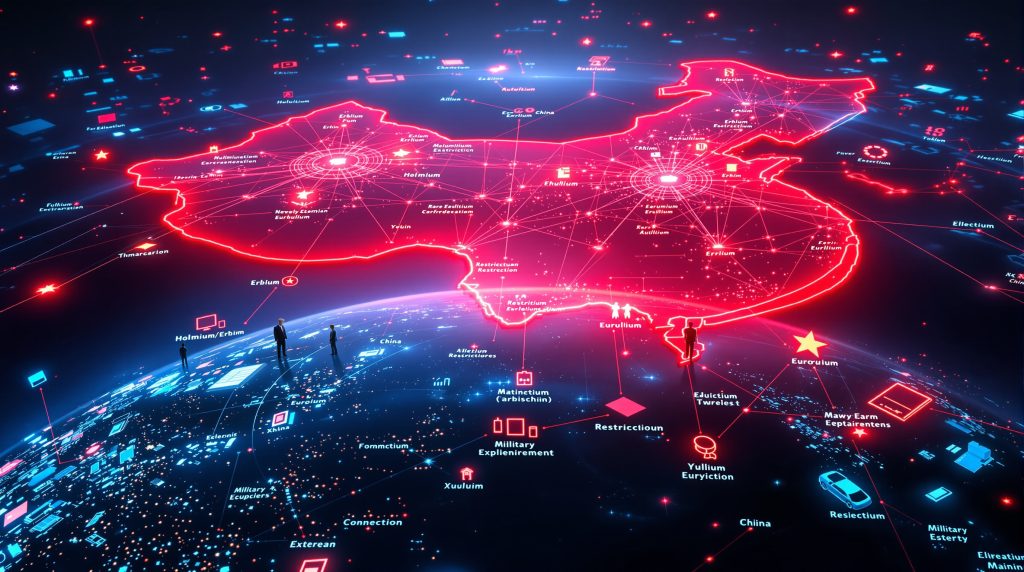

Technology supply chains used to be described mainly through efficiency: where components were cheapest, where skills were deepest and where logistics worked fastest. That description is no longer enough. Export controls have moved from the margins of trade law to the centre of technology strategy. Governments now use them to decide who can access advanced chips, software, manufacturing equipment, aerospace components and dual-use technologies. The result is a supply-chain map shaped by security as well as cost.
Export controls differ from tariffs. A tariff makes trade more expensive; an export control can stop trade altogether. It can prevent a company from selling a product, transferring technology, providing maintenance, sharing technical data or supplying equipment to a specific end user. In high-technology sectors, that distinction is critical. If a firm cannot obtain a lithography machine, advanced chip, specialised software tool or engineering service, it may not be able to produce at the same level regardless of price.
The logic behind these controls is strategic. Technologies that appear commercial can also strengthen military, intelligence or surveillance capabilities. Advanced semiconductors, artificial intelligence systems, quantum technologies, satellite components and cyber tools can have dual-use applications. Governments therefore treat access as a national-security issue. The aim is to slow a competitor’s capabilities, protect domestic advantage and prevent sensitive know-how from moving into restricted ecosystems.
For companies, export controls create operational complexity. A supply chain may comply in one jurisdiction and breach rules in another. A product may become controlled because of its technical specifications, software content, country of origin or end use. Compliance teams must understand not only who buys the product but what the buyer may do with it. That means due diligence now extends beyond the first customer to distributors, affiliates and final users.
The controls also push companies to redesign supply chains. Some firms are localising production, separating product lines for different markets or building duplicate supplier networks. Others are investing in compliance architecture so that engineers, sales teams and distributors understand restricted technologies. These changes raise costs, but for many firms the alternative is losing market access or facing severe penalties.
For countries outside the main technology rivalry, export controls create a delicate opportunity. They may attract investment as companies diversify away from sensitive jurisdictions. But they may also face pressure to align with one control regime or another. Middle powers that want to host semiconductor, electronics or cloud infrastructure investment must show legal clarity, data security, skilled labour and geopolitical reliability. Neutrality is harder when technology inputs are politically controlled.
The wider effect is a more fragmented technology economy. Firms may no longer build one global product for one global market. Instead, they may operate parallel systems with different suppliers, standards and compliance rules. That can reduce efficiency and slow diffusion, but it can also build resilience. The central economic question is whether the world can preserve enough interoperability while governments protect sensitive capabilities.
For companies and investors, the practical lesson is to build a political-economy map around every important market. That map should identify suppliers, customers, financing sources, technology dependencies, regulatory permissions and public-sector relationships. Economic statecraft rarely arrives as a single dramatic measure. It usually appears through licensing rules, procurement preferences, customs enforcement, investment screening, bank compliance and changes in official language.
The stronger organisations will not treat these developments as temporary interruptions. They will make them part of strategy, treasury, legal review and market-entry planning. That does not mean retreating from global business. It means understanding that in sensitive sectors, commercial advantage can disappear if political access, technology permissions or trusted supply are lost. In this environment, resilience is not a slogan; it is a form of competitiveness.
The editorial test for any claim in this area is evidence. Before publication, every reference to a tariff, sanction, export-control rule, subsidy, corridor or investment-screening measure should be checked against official releases, legal texts or institutional reports. The argument can be analytical, but the factual base must remain precise.
What to watch next
The most important signals will come from semiconductor equipment, AI accelerators, cloud infrastructure, advanced manufacturing tools and enforcement actions. Watch whether controls become more targeted or expand into broader technology ecosystems. Also watch how companies disclose export-control exposure in filings and investor presentations. Technology supply chains are not just being optimised; they are being governed. Export controls are one of the instruments doing the governing.
Anika Sen
Anika Sen writes on export controls, supply-chain security, strategic manufacturing and the economics of technology policy.