
How Nearshoring Changes Trade Patterns
Nearshoring is reshaping trade patterns as companies seek shorter routes, political comfort and more resilient production networks.

Nearshoring is reshaping trade patterns as companies seek shorter routes, political comfort and more resilient production networks.

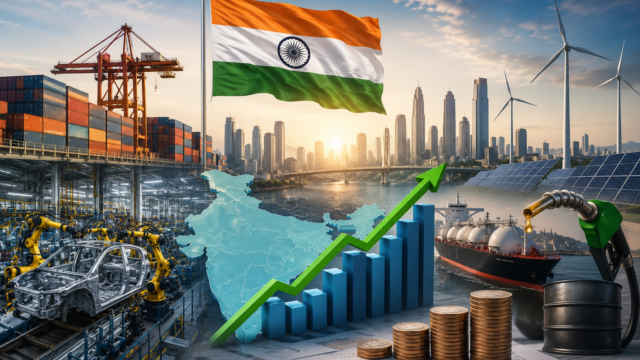
India's macroeconomic strength is now judged through the combined lens of growth, inflation management and policy credibility.

Global supply chains are being redesigned around resilience after years of disruption exposed the limits of pure efficiency.

Asia remains central to global manufacturing even as companies diversify production and governments reconsider supply-chain dependence.

Trade data can reveal economic realignment before it appears in political speeches or corporate earnings.

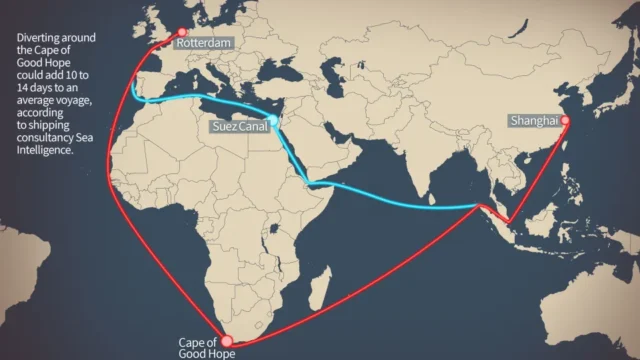
Shipping routes are often invisible in normal times, but they become economically powerful when disruption raises costs and delays.

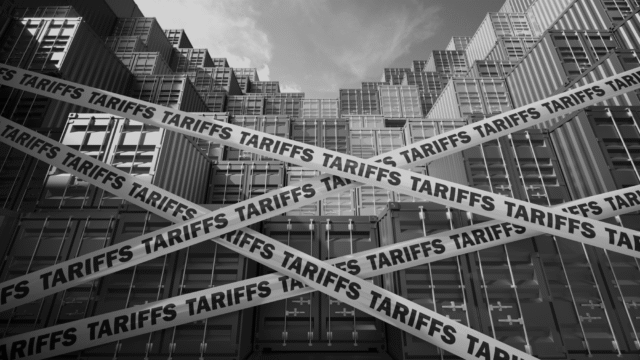
Supply-chain security has become economic policy because disruptions now affect inflation, growth, corporate resilience and national power.

Export controls are changing technology supply chains by restricting access to advanced inputs, equipment and know-how.

A source-led Economic Statesman explainer on why public debt has become a strategic economic question, written for readers tracking world economy, policy, markets and capital.

A source-led Economic Statesman explainer on why american consumer demand still shapes global trade, written for readers tracking united states, policy, markets and capital.