
India’s Inflation Outlook Faces a Food-Price Test Ahead of RBI’s December Meeting
Rising food prices could push India's October inflation close to the RBI's upper limit, creating fresh challenges for monetary policy.
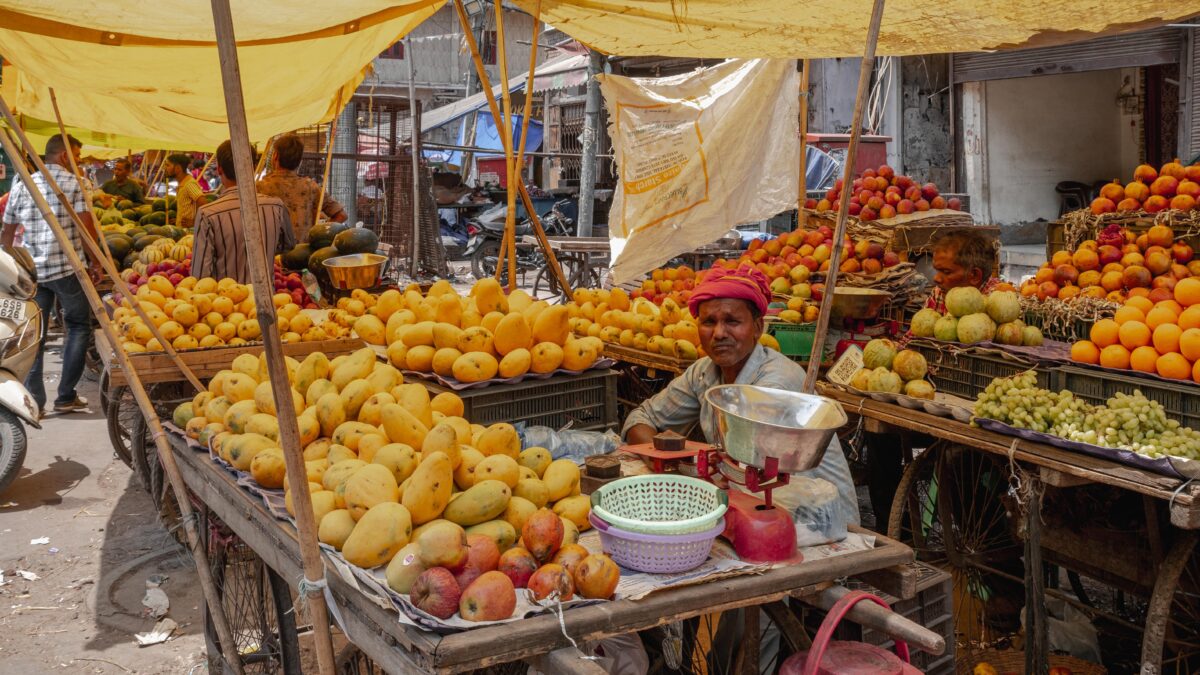

Why rising food costs are bringing retail inflation close to the RBI’s upper tolerance limit and complicating the next interest-rate decision.
India’s inflation outlook is becoming more challenging as higher food prices threaten to push retail inflation close to the Reserve Bank of India’s upper tolerance limit. The pressure is emerging at a time when households are dealing with rising everyday expenses and policymakers are trying to balance price stability with economic growth.
A Reuters poll published on November 6, 2026, found that economists expect India’s annual consumer inflation to rise to 5.93% in October, compared with 5.54% in September. The forecast places inflation close to the RBI’s 6% upper tolerance limit. Food inflation is expected to reach 8.20%, reflecting higher prices across several essential food categories.
These figures are estimates, not official results. The Ministry of Statistics and Programme Implementation is scheduled to release October consumer price data on November 12.
Food Prices Are Driving the Inflation Pressure
Food remains one of the most important components of household spending in India. An increase in the price of vegetables, dairy products, edible oils or other essential items can quickly affect household budgets.
The September inflation figures already showed signs of pressure. Headline retail inflation stood at 5.54%, while food inflation reached 7.74%. Rural inflation was higher at 6.08%, compared with 4.88% in urban areas.
The latest Reuters survey suggests that food costs increased further in October. Onion prices have nearly doubled since the beginning of the year, while meat, milk, eggs and edible oils have also become more expensive.
This pattern matters because food inflation can affect households across income groups. However, lower-income families are particularly exposed because they generally spend a larger share of their income on essential consumption.
Weather Conditions Add to Supply Concerns
Agricultural supply remains an important factor in India’s inflation outlook. An uneven and deficient monsoon has affected crop conditions and raised concerns about the availability of certain food products.
Weather disruptions can influence prices through several channels. Lower production reduces market supply, while changes in harvesting schedules can affect arrivals in wholesale markets. Storage, transportation and distribution costs can add further pressure.
The possibility of El Niño conditions also creates uncertainty for agricultural output and rainfall patterns. If weather conditions remain unfavourable, food supply could face additional pressure in the coming months.
However, the impact is not uniform across crops. Some commodities may experience temporary price increases, while others may remain relatively stable. Government procurement, imports, buffer stocks and market interventions can also influence the final effect on retail prices.
Why the RBI Is Watching Inflation Closely
The RBI’s primary responsibility under India’s monetary policy framework is to maintain price stability while keeping growth in mind.
The central bank targets consumer inflation at 4%, with a tolerance band of 2% to 6%. When inflation approaches the upper limit, policymakers have less room to ease monetary conditions.
At its October 2026 meeting, the Monetary Policy Committee raised the repo rate by 25 basis points to 5.50%. It also shifted its policy stance to calibrated tightening.
The RBI’s October projections placed average inflation for 2026–27 at 5.2%. It expected inflation to reach 6.0% in the third quarter and 5.7% in the fourth quarter.
The central bank also highlighted supply-side risks, including deficient monsoon conditions, El Niño and elevated energy and commodity prices.
The October inflation release will therefore provide an important update before the next monetary policy meeting scheduled for December 2–4.
Could Another Rate Increase Be on the Table?
A further increase in the repo rate remains a possibility if inflation stays elevated or spreads beyond food and fuel. However, the RBI will need to examine the composition and persistence of price increases before making a decision.
Food inflation creates a particular policy challenge. Higher interest rates cannot directly improve rainfall, increase crop production or resolve supply bottlenecks. Monetary tightening works mainly by influencing borrowing costs, credit demand and overall spending.
If inflation is driven primarily by temporary supply disruptions, an aggressive rate response could place additional pressure on businesses and households without immediately resolving the underlying shortage.
The situation becomes more complicated if food-price increases spread into wages, services and other goods. This could create broader inflation expectations and make price pressures more persistent.
The RBI will therefore need to distinguish between temporary food-price shocks and a wider increase in inflation across the economy.
What Higher Inflation Means for Households and Businesses
For households, rising food prices reduce purchasing power. Families may spend more on groceries and cut back on discretionary purchases, including clothing, entertainment, travel and other non-essential expenses.
This change in spending can affect businesses beyond the food sector. Retailers, restaurants and consumer-goods companies may face higher operating costs or weaker demand for selected products.
Manufacturers can also experience indirect pressure. Higher transportation, packaging and energy expenses may increase production costs. If companies cannot pass those costs to customers, their profit margins may narrow.
Small businesses may face additional challenges because they often have less flexibility to absorb higher input costs or negotiate better supplier terms.
The impact of inflation is therefore wider than the monthly increase in the consumer price index. It can influence purchasing decisions, business investment and overall economic confidence.
Why Rural and Urban Inflation Need Separate Attention
The difference between rural and urban inflation provides another important signal for policymakers.
September’s data showed rural inflation at 6.08%, already above the RBI’s upper tolerance level, while urban inflation was 4.88%.
Food prices often have a stronger direct effect on rural households, but rural inflation can also reflect changes in fuel, transport, housing and other essential expenses.
Urban households face a different spending pattern, with greater exposure to housing, transport, education and services. Consequently, inflation can affect rural and urban consumers in different ways even when the national headline figure appears moderate.
For policymakers, understanding these differences is important when assessing the impact of price increases on consumption and household welfare.
What to Watch Before the December Policy Meeting
The October CPI release on November 12 will be the immediate indicator to watch. The final figure will show whether the expected increase materialises and how much of the pressure comes from food.
The RBI will also have to assess wholesale prices, core inflation, food supply conditions, energy prices and developments in credit and consumption.
Three factors will be particularly important:
- Food inflation: Whether prices of vegetables, cereals, dairy products and edible oils continue to rise.
- Underlying inflation: Whether price increases are spreading into goods and services beyond food and fuel.
- Growth conditions: Whether higher borrowing costs could weaken consumption, investment or business activity.
A further rate increase is not automatic. The central bank will need to evaluate incoming data and determine whether inflation is likely to remain elevated.
India’s inflation challenge is increasingly linked to the relationship between agricultural supply, household spending and monetary policy. The October data will offer a clearer picture of the pressure facing consumers and the policy choices ahead. If food prices remain high, the RBI may have to maintain a tighter stance for longer. The key question is whether supply conditions improve quickly enough to bring inflation under control without placing unnecessary pressure on economic growth.
Samir Kapoor
Samir Kapoor covers the global economy, cross-border capital, growth signals and the institutions shaping economic change.