
India Raises Rabi Fertiliser Subsidy to ₹62,370 Crore Amid Global Price Pressures
The Centre raises P&K fertiliser subsidy support for Rabi 2026–27 to ₹62,370 crore amid global price pressures
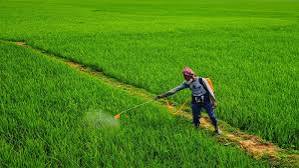

India has increased its fertiliser subsidy budget for the 2026–27 Rabi season by approximately 64%. The Union Cabinet has approved an estimated ₹62,370.02 crore for phosphatic and potassic (P&K) fertilisers.
The decision comes as international fertiliser prices and input costs remain under pressure. The allocation is ₹24,417.73 crore higher than the ₹37,952.29 crore approved for the previous Rabi season.
The revised subsidy rates apply from October 1, 2026, to March 31, 2027. They cover fertilisers such as Di-Ammonium Phosphate (DAP) and various NPKS grades.
The government aims to maintain affordable fertiliser supplies for farmers during the winter crop season. The decision also highlights the growing fiscal pressure created by international commodity markets.
Why the Fertiliser Subsidy Has Increased
The government has cited changes in international fertiliser and input prices as the main reason for revising the subsidy rates.
Global prices of fertiliser products and key inputs have faced pressure from geopolitical disruptions. The West Asia conflict and wider supply-chain uncertainty have added to concerns about availability and import costs.
India depends on international markets for several important fertiliser inputs. Changes in global prices can therefore affect domestic subsidy requirements.
The government adjusts Nutrient Based Subsidy rates to reflect these movements. This helps maintain the availability of notified fertilisers at affordable prices.
The latest allocation represents a substantial increase in the support required for the Rabi season.
What the Nutrient Based Subsidy Scheme Covers
The Nutrient Based Subsidy scheme has been in operation since April 2010.
It covers 28 grades of phosphatic and potassic fertilisers, including DAP. The government provides subsidies to fertiliser manufacturers and importers at approved rates.
The subsidy is linked to the nutrient content of fertilisers. It covers nitrogen, phosphorus, potash and sulphur in eligible products.
This approach allows the government to adjust support according to nutrient requirements and international input costs.
Under the scheme, manufacturers and importers receive the notified subsidy. Farmers benefit through the availability of fertilisers at subsidised prices.
The latest approval does not announce a direct cash transfer to farmers. It sets the subsidy rates for eligible fertilisers during the Rabi season.
DAP and NPKS Availability Remains a Priority
DAP is an important fertiliser for several Rabi crops. It supplies phosphorus and nitrogen, which support root development and early plant growth.
NPKS fertilisers provide different combinations of nitrogen, phosphorus, potash and sulphur. Farmers use these nutrients according to crop requirements and soil conditions.
The government has said the revised subsidy will support the availability of these fertilisers at affordable prices.
The continuation of the special provision for DAP at ₹1,350 per 50-kg bag has also been reported. This is important for farmers who rely on DAP during the sowing season.
However, the subsidy announcement does not mean that every fertiliser product will have the same retail price. Prices depend on the product, its nutrient composition and applicable pricing arrangements.
Higher Subsidy Adds to Government Spending
The latest approval also has implications for public finances.
The Rabi 2026–27 P&K subsidy requirement is approximately ₹62,370 crore. This is substantially above the previous season’s requirement.
The increase comes at a time when the government’s overall fertiliser subsidy expenditure is already significant.
The Union Budget for 2026–27 had estimated total fertiliser subsidy expenditure at approximately ₹1.71 lakh crore. This included support for both urea and nutrient-based fertilisers.
According to figures reported by The Indian Express, total fertiliser subsidy spending had reached around ₹1.19 lakh crore during April–September 2026.
That represented nearly 70% of the full-year budget estimate.
Higher international prices could therefore create additional pressure on the government’s subsidy calculations. The final fiscal impact will depend on global prices, import requirements and domestic consumption.
What the Decision Means for Farmers
The subsidy is intended to protect farmers from the full impact of rising international fertiliser prices.
Affordable fertiliser access is important during the Rabi season. Wheat, mustard, pulses and other winter crops require timely access to suitable nutrients.
Higher input costs can affect farm profitability. They may also influence farmers’ decisions about fertiliser use and crop economics.
The revised rates aim to support supply through manufacturers and importers. However, actual availability will also depend on distribution networks, transportation and timely deliveries.
The policy does not remove all risks associated with fertiliser prices. It provides a financial cushion against changing international costs.
India’s Dependence on Global Fertiliser Markets
India’s fertiliser sector remains exposed to international supply conditions.
The country imports several fertiliser products and key raw materials. These include inputs used in the production of phosphatic and potassic fertilisers.
Geopolitical tensions can disrupt shipping routes and increase freight costs. Supply restrictions can also affect the availability of important inputs.
Such developments create uncertainty for domestic manufacturers and importers. They can also increase the subsidy requirement when international prices rise.
The latest approval shows how global developments can influence India’s agricultural budget.
Balancing Farmer Support and Fiscal Discipline
The higher subsidy allocation reflects the government’s priority of maintaining affordable fertiliser supplies. It also raises questions about the long-term cost of protecting farmers from international price volatility.
A predictable subsidy framework can support farmers and fertiliser companies. But rising expenditure can limit fiscal flexibility elsewhere.
India will need to strengthen domestic fertiliser production, diversify import sources and improve supply-chain efficiency. Better nutrient management can also reduce inefficient fertiliser use.
The latest Rabi subsidy decision provides immediate support during a period of higher global costs. Its longer-term success will depend on stable supplies, efficient distribution and responsible fiscal management. For India’s agricultural economy, affordable fertilisers remain essential, but reducing exposure to external supply shocks is equally important.
Samir Kapoor
Samir Kapoor covers the global economy, cross-border capital, growth signals and the institutions shaping economic change.