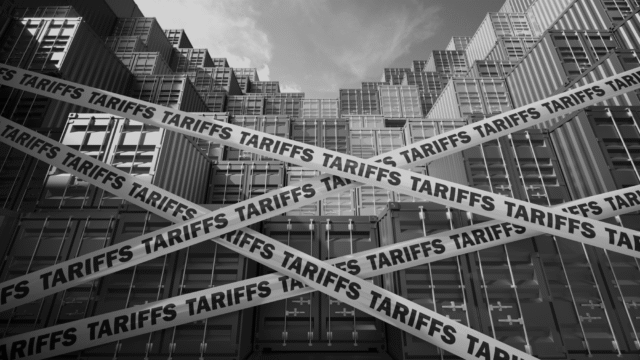
International
How Nearshoring Changes Trade Patterns
Nearshoring is reshaping trade patterns as companies seek shorter routes, political comfort and more resilient production networks.

How logistics, manufacturing corridors, trade agreements and supply chain resilience reshape global business.
Nearshoring is reshaping trade patterns as companies seek shorter routes, political comfort and more resilient production networks.
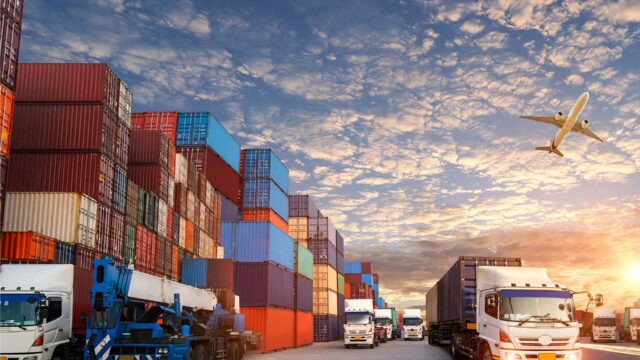
Global supply chains are being redesigned around resilience after years of disruption exposed the limits of pure efficiency.

Europe is rethinking supply-chain dependence as strategic autonomy, climate policy and industrial competitiveness move closer together.
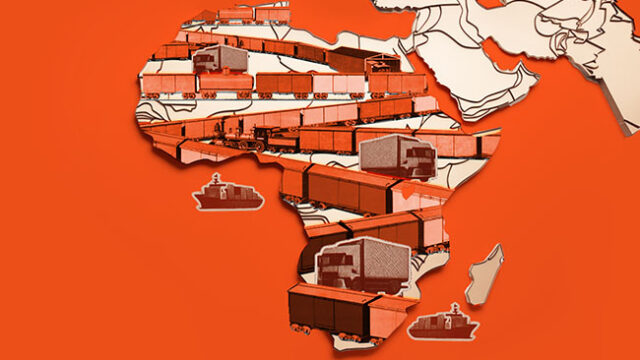
Africa's role in the next trade cycle will depend on whether regional integration, infrastructure and industrial capacity can turn potential into flows.

Asia remains central to global manufacturing even as companies diversify production and governments reconsider supply-chain dependence.

Trade data can reveal economic realignment before it appears in political speeches or corporate earnings.
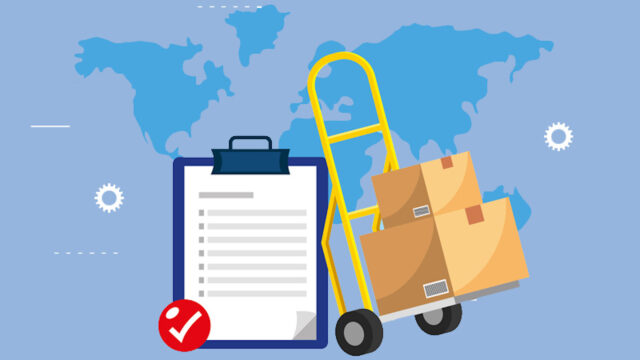
Customs policy is a boardroom issue when delays, paperwork and border risk can change margins, prices and supply-chain reliability.
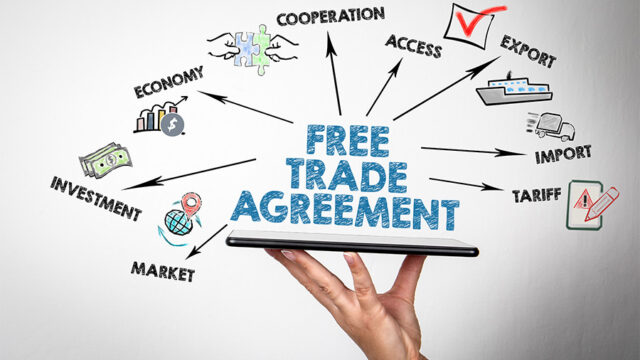
Free trade agreements are not only about tariffs; they influence investment decisions, supply-chain design and corporate market access.
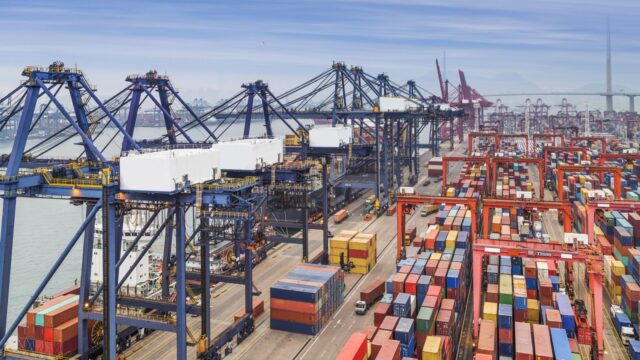
Ports now function as strategic economic infrastructure because they determine how reliably countries move goods, energy and industrial inputs.