
Karnataka Clears ₹6,826 Crore Industrial Projects, 18,600 Jobs Expected
Karnataka has approved 147 industrial projects, with most planned outside Bengaluru and expected to generate 18,600 jobs.

Karnataka is accelerating its industrial expansion beyond Bengaluru. The state government has approved 147 industrial projects worth ₹6,825.93 crore. These projects could generate approximately 18,600 jobs across the state.
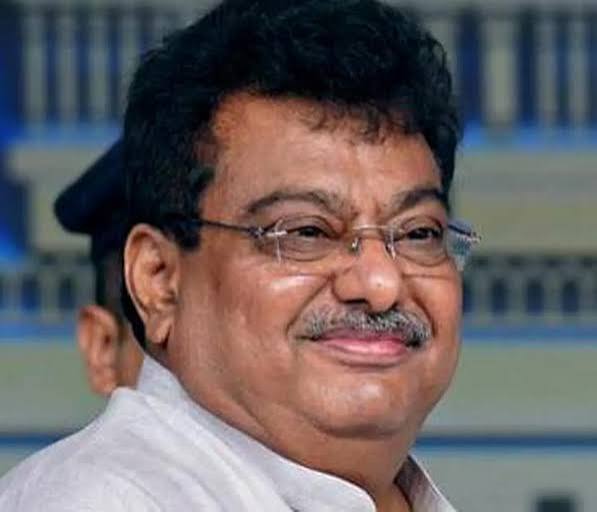
The approvals came during the 161st meeting of the State Level Single Window Clearance Committee (SLSWCC). Industries Minister M. B. Patil chaired the meeting.
A key feature of the approvals is their geographical distribution. As many as 131 projects will be established outside Bengaluru Urban and Bengaluru Rural districts. This reflects the state’s effort to attract investment into smaller cities and industrial districts.
The projects cover several sectors, including food processing, textiles, data centres, semiconductors, electronics, aerospace and engineering.
Investment Moves Beyond Bengaluru
The distribution of projects is central to Karnataka’s latest investment push.
Bengaluru remains the state’s largest technology and business centre. However, rising industrial activity in other districts could create new employment opportunities and strengthen regional economies.
Of the approved proposals, 36 major projects involve investments above ₹50 crore each. Together, they account for ₹4,507.71 crore and could generate 12,074 jobs.
Another 108 projects involve investments between ₹15 crore and ₹50 crore. These proposals represent ₹2,238.37 crore and could create approximately 6,526 jobs.
The committee also cleared additional investment proposals worth ₹79.85 crore from three existing industrial units.
The figures indicate that the approval process covers both large industrial developments and smaller manufacturing investments.
Chikkaballapura Emerges as an Investment Destination
Gowribidanur in Chikkaballapura district is among the locations attracting significant industrial interest.
Three major projects have received approval in the area.
OFB Tech Limited will establish a container glass manufacturing plant with a capacity of 250 tonnes per day. The project involves an investment of ₹245 crore and could create around 400 jobs.
UHP Technologies will invest ₹200 crore in a facility producing semiconductor and solar cell manufacturing equipment. The project is expected to generate approximately 300 jobs.
Interrni International will establish a manufacturing facility for interiors, modular fit-outs and architectural façade systems. The investment stands at ₹130 crore, with around 600 jobs expected.
These projects could diversify the district’s industrial base. They also connect local manufacturing with specialised industrial supply chains.
Mysuru and Mandya Attract Manufacturing Investment
Mysuru is also expected to benefit from the latest approvals.
FIEM Industries will establish a manufacturing facility for advanced lighting and electronic components at Kochanahalli. The project involves ₹183.06 crore and could create 550 jobs.
Arbee Biomarine Extracts will invest ₹129.71 crore in an Omega-3 concentrates manufacturing facility at Thandya. The project is expected to generate 62 jobs.
In Mandya district, Akshayakalpa Farms and Foods will establish an integrated organic dairy and food processing unit. The proposed facility will come up at Bannenahalli in K. R. Pete taluk.
The project involves ₹165.24 crore and could create 300 jobs.
These investments show that Karnataka’s industrial expansion is not limited to technology and heavy manufacturing. Food processing and specialised consumer industries are also part of the pipeline.
Data Centres and Electronics Add to the Investment Pipeline
The approvals include projects linked to digital infrastructure and industrial electronics.
Advaith Tech will invest ₹380 crore in an IT and IT-enabled services park at Devanahalli. The project is expected to create 500 jobs.
Vista Spaces Tec Hoodi will develop another IT and ITES park at Doddanekundi in Bengaluru East. Its proposed investment is ₹260 crore, with 750 jobs expected.
Outside the Bengaluru region, Elmeasure India has received approval for a ₹150 crore facility in Chamarajanagar. The project will focus on data centre, energy and monitoring solutions. It could create 500 jobs.
Schneider Electric India will invest ₹141.44 crore in a manufacturing facility at Attibele. The unit will produce advanced meters, communication gateways, controllers and relays.
The project is expected to generate 108 jobs.
These investments reflect the growing role of digital infrastructure and electronic equipment in Karnataka’s industrial strategy.
Steel and Engineering Projects Strengthen Industrial Capacity
The latest approvals also include investments in traditional manufacturing.
MS Metals and Steels will expand its capacity through a rolling mill project at Kunigal in Tumakuru district. The proposed investment is ₹132 crore, with around 350 jobs expected.
Ballari district will receive two steel-sector projects.
Anantha Steels has received approval for an investment of ₹119.41 crore. The project could create 154 jobs.
Sri Subramanya Sponge Iron will invest ₹105 crore and generate approximately 150 jobs.
These projects could support industrial activity across steel and engineering supply chains. They also add to the state’s efforts to distribute manufacturing investment across different districts.
Regional Industrial Development Faces an Execution Test
The latest approvals provide a positive signal for Karnataka’s investment outlook. However, project clearances do not automatically translate into operational factories or completed employment targets.
Companies must secure land, arrange financing, establish infrastructure and complete construction. They must also recruit workers and begin commercial operations.
Local infrastructure will play an important role. Industrial projects need reliable electricity, water, transport connectivity and access to skilled labour.
Smaller districts may also require stronger supplier networks and logistics facilities. These factors can influence how quickly approved investments become operational.
The state will need to monitor project implementation and coordinate with companies to address delays.
Karnataka’s latest approvals offer a clear direction for regional industrial growth. The emphasis is shifting towards a wider network of manufacturing and technology centres beyond Bengaluru. The real measure of success will be whether these proposals translate into functioning facilities, sustainable employment and stronger local economies.
Nikhil Varma
Nikhil Varma covers India’s growth model, emerging-market policy credibility, digital infrastructure and global capital links.


